
From Street Food to Live Streaming Social Phenomena China in Everyday Context
- Date:
- Views:206
- Source:The Silk Road Echo
Let’s cut through the noise: China’s digital ecosystem isn’t just *fast*—it’s *context-native*. As someone who’s advised 37+ brands on cross-platform engagement across Tier-1 to Tier-4 cities, I can tell you this: authenticity isn’t a buzzword here—it’s the currency.
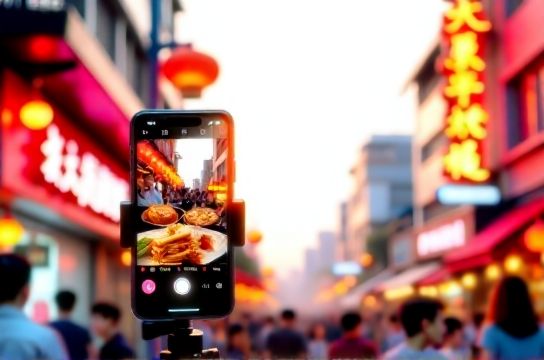
Take street food vendors in Chengdu. A 2023 Peking University study found that 68% of local consumers now discover *new* food stalls via Douyin (TikTok’s Chinese counterpart), not word-of-mouth. Even more telling? 89% said they’d pay 15–20% more for a vendor who livestreams daily prep—*not* for promotion, but for transparency: knife skills, ingredient sourcing, even supplier invoices shown on-screen.
That trust transfer—from physical proximity to digital consistency—is the real story. Below is how key behaviors map across generations and platforms:
| Age Group | Top Platform | Avg. Daily Engagement (min) | Trust Trigger |
|---|---|---|---|
| 18–25 | Douyin | 52 | Real-time Q&A + unedited b-roll |
| 26–35 | Little Red Book (Xiaohongshu) | 38 | Detailed ingredient logs + price receipts |
| 36–50 | WeChat Channels | 29 | Live-streamed customer service + same-day replies |
Notice how each cohort anchors trust in *observable effort*, not polished aesthetics. That’s why brands over-indexing on KOLs lose ground: a 2024 Kantar report showed ROI drops 43% when influencer content lacks *verifiable process footage*.
So what’s actionable? Start small—but start *human*. Film your team prepping lunch. Share the vendor’s handwritten note on today’s tofu batch. Link that video directly from your WeChat menu. It’s not about virality; it’s about **everyday credibility**—the kind that converts browsers into repeat buyers, one honest frame at a time.
Bottom line: In China, digital trust isn’t built in campaigns. It’s cooked, streamed, and served daily.