
Exam Hell: The Gaokao System and Its Lifelong Impact on Chinese Students
- Date:
- Views:615
- Source:The Silk Road Echo
If you think your college entrance exam was stressful, let me introduce you to China's Gaokao—a two-day academic marathon that can define a student’s entire future. Known as the 'National College Entrance Examination,' the Gaokao isn’t just a test; it’s a cultural phenomenon, a rite of passage, and for many, a personal trial by fire.
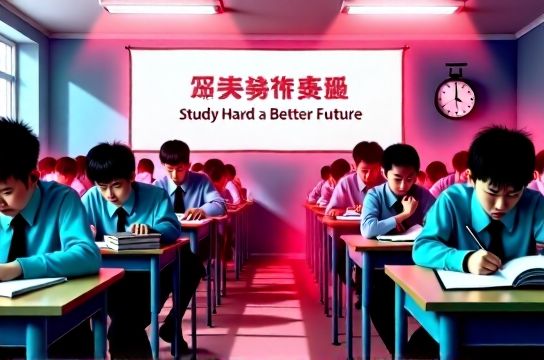
Held annually in early June, over 12 million students sit for this grueling exam. It spans subjects like Chinese, Math, English, and either Sciences or Humanities, depending on the track. Scores determine university admissions—and not just any university, but often whether a student gets into a top-tier institution like Tsinghua or Peking University.
The pressure? Immense. Students often begin preparing in middle school, sacrificing hobbies, sleep, and even family time. In 2023, the average study week for a senior was over 60 hours, according to a Ministry of Education survey. Some schools even have 'Gaokao boot camps' with military-style discipline.
Why Is the Gaokao So High-Stakes?
In China’s hyper-competitive job market, your university brand matters—a lot. Graduates from elite universities are more likely to land high-paying jobs at tech giants like Alibaba or Huawei. A 2022 report by Zhaopin.com found that graduates from Project 985 universities (China’s top 39) earn, on average, 47% more than those from non-985 schools.
Regional Disparities: Not All Students Start Equal
One of the most controversial aspects? Regional bias. Big cities like Beijing and Shanghai have lower admission thresholds for local students. For example, in 2023, the cutoff score for Peking University in Beijing was around 660/750, while in Henan province—a populous, less-developed region—it soared to 690/750.
| Province | Average Gaokao Score (2023) | Top University Admission Rate |
|---|---|---|
| Beijing | 580 | 8.2% |
| Shanghai | 575 | 7.9% |
| Henan | 510 | 2.1% |
| Gansu | 495 | 1.8% |
This inequality fuels what many call 'exam hell'—a system where success feels predetermined by birthplace.
Lifelong Impact: Beyond the Test Day
The Gaokao doesn’t just affect education—it shapes identity. A poor score can lead to social stigma, while a high one brings immense family pride. Psychologists note rising anxiety, depression, and even burnout among teens. Yet, reform is slow. While some provinces now allow retakes or offer alternative pathways, the Gaokao remains king.
So, is it fair? Debatable. Is it powerful? Absolutely. Love it or hate it, the Gaokao is more than an exam—it’s a mirror reflecting China’s values: hard work, hierarchy, and the relentless pursuit of upward mobility.