
Social Phenomena China: Decoding the Meaning Behind 'Involution' (Neijuan)
- Date:
- Views:501
- Source:The Silk Road Echo
Ever heard of 'Neijuan'? If you're scratching your head, don’t worry—you’re not alone. But if you’ve spent time in modern Chinese society, especially among students or office workers, you’ve definitely felt it. 'Neijuan', literally meaning 'involution', has exploded across social media, campuses, and watercooler chats as the buzzword capturing China’s relentless hustle culture.
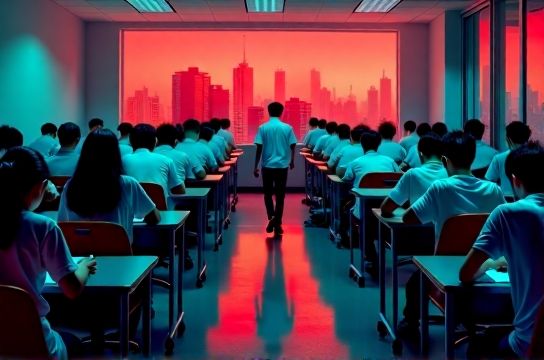
So what exactly is Neijuan? Think of it as a rat race with no finish line. It's when everyone works harder, longer, and smarter—but no one actually gets ahead. Instead of progress, there’s just more exhaustion. A student pulls all-nighters to ace exams, so others follow. An employee stays late at the office, so the whole team feels pressured to do the same. The bar keeps rising, but the rewards stay flat.
Let’s put it in context. In 2020, a viral post on Zhihu asked, ‘Why do we study even when we’re exhausted?’ The answer? Neijuan. Soon, hashtags like #Anti-Neijuan and #EscapeTheSystem flooded Weibo. Even Alibaba’s Jack Ma weighed in (controversially), praising 996 work culture—sparking backlash from those drowning in burnout.
The Numbers Don’t Lie
A 2023 survey by China Youth Daily found that over 72% of white-collar workers feel trapped in involution cycles. Meanwhile, university students report average study hours of 10–12 hours/day during exam season—up from 6–7 hours a decade ago.
| Group | Avg. Work/Study Hours per Day | Perceived Stress Level (1-10) | Main Pressure Source |
|---|---|---|---|
| Urban White-Collar Workers | 9.5 | 8.2 | Promotion Competition |
| University Students | 10.8 | 7.9 | Graduate School Entrance Exams |
| High School Students | 11.3 | 8.7 | College Entrance Exam (Gaokao) |
This isn’t just about effort—it’s about misplaced effort. You can run faster on a treadmill, but you’re still going nowhere. That’s Neijuan in a nutshell.
Why Is Neijuan So Deeply Rooted?
Three big reasons:
- Population Pressure: With 1.4 billion people, competition for top schools and jobs is fierce. One spot at Peking University? Over 100,000 applicants.
- Social Expectations: Family honor, filial duty, and the ‘model student’ image push individuals to overachieve—even at the cost of mental health.
- Economic Slowdown: As GDP growth cools, opportunities shrink. More people chasing fewer rewards = more involution.
But Wait—Is All Hard Work Bad?
Nope. Neijuan isn’t anti-effort. It’s anti-futility. Real progress comes from innovation, not endless repetition. The key is distinguishing between growth and grind.
Luckily, a counter-movement is rising: Tang Ping, or 'lying flat'. Young people are opting out of the race—choosing minimalism, lower-paying but less stressful jobs, and work-life balance. It’s not laziness; it’s resistance.
What Can You Do?
If you’re feeling the squeeze:
- Set Boundaries: Stop equating overtime with value.
- Focus on Output, Not Hours: Measure results, not seat time.
- Seek Communities: Join groups promoting mental wellness and mindful productivity.
In the end, Neijuan isn’t just a Chinese problem—it’s a global warning. In a world obsessed with productivity, we must ask: Are we evolving, or just spinning our wheels?