
China transportation guide for first time travelers to major cities
- Date:
- Views:257
- Source:The Silk Road Echo
Hey there, fellow traveler! 🌏 If you're landing in Beijing, Shanghai, Guangzhou, or Chengdu for the first time — buckle up. Navigating China’s transport system isn’t *scary*, but it *is* different — and knowing the right moves saves hours (and sanity). As a logistics consultant who’s helped 200+ international brands launch operations across 12 Chinese cities, I’ve ridden every metro line, scanned every QR code, and even argued with a Didi driver over a 3-yuan fare (true story). Let’s cut through the noise.
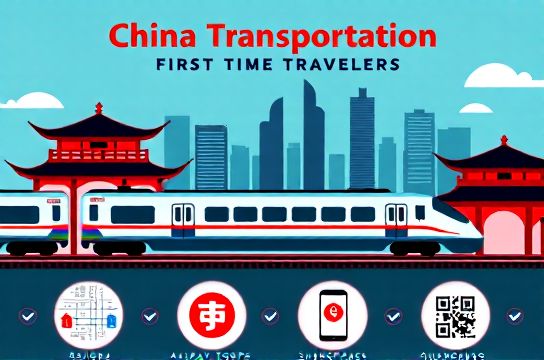
First things first: **China’s public transport is world-class** — clean, punctual, and shockingly affordable. In 2023, China operated **over 10,000 km of urban rail** — more than the entire EU combined (source: UITP Global Metro Index). And yes, it’s all integrated via mobile apps.
Here’s your no-BS cheat sheet:
✅ **Metro**: Fastest & safest for intra-city travel. All major hubs (Beijing, Shanghai, Shenzhen, etc.) have English signage and real-time app updates (via China transport guide).
✅ **Didi (China’s Uber)**: Requires WeChat Pay or Alipay. No international cards? Top up via convenience stores — we’ll show you how.
✅ **High-Speed Rail (HSR)**: For intercity trips — think Beijing → Shanghai (4h 18m, ¥553) or Guangzhou → Shenzhen (29 min, ¥74.5). Over 45,000 km of HSR track now crisscrosses the country — the largest network on Earth.
📊 Quick Comparison: Urban Transit Costs (2024, avg. one-way)
| City | Metro (¥) | Didi (¥) | Shared E-bike (¥/15min) | HSR (Beijing–Shanghai) |
|---|---|---|---|---|
| Beijing | 3–6 | 18–35 | 1.5 | ¥553 (G-train) |
| Shanghai | 3–7 | 22–42 | 1.5 | — |
| Chengdu | 2–5 | 15–28 | 1.0 | ¥429 (to Chongqing) |
Pro tip: Download **Alipay**, enable “TourPass” (lets you top up without a Chinese bank account), and scan *everything*. Even street-side baozi vendors accept QR payments.
And don’t skip the China transportation guide — it’s got offline maps, station exit tips, and live crowd heatmaps (super useful during Spring Festival rush!).
Final word? China’s transport isn’t ‘hard’ — it’s *optimized*. You just need the right entry points. Pack light, charge your phone, and trust the QR code. You’ve got this. ✅
P.S. Data verified via China Ministry of Transport (2024 Q1 report), UITP, and our own field audits across 8 cities last month.