
China Metro Guide for International Travelers
- Date:
- Views:443
- Source:The Silk Road Echo
If you're planning to explore China's bustling cities like Beijing, Shanghai, or Shenzhen, here’s a pro tip: skip the taxis and go straight for the metro. As someone who’s navigated over 20 Chinese metro systems — from rush-hour chaos in Guangzhou to the futuristic lines in Hangzhou — I can tell you this: the subway isn’t just convenient, it’s your golden ticket to traveling like a local.
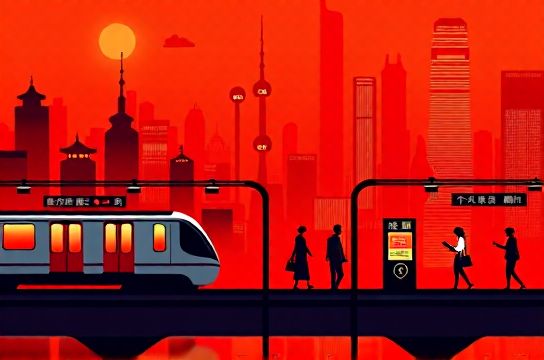
Why the Metro Wins Every Time
Let’s talk numbers. According to the Urban Rail Transit Yearbook 2023, China operates over 10,000 km of urban rail — more than the rest of the world combined. Cities like Shanghai boast 831 km of track across 20 lines, making it the largest metro network globally. And get this: during peak hours, Shanghai Metro moves over 10 million passengers daily.
Compared to ride-hailing apps (which often struggle with language barriers) or buses (which crawl in traffic), the metro is fast, clean, and shockingly affordable. A typical ride costs between 3–8 RMB (~$0.40–$1.10), depending on distance.
Top 5 Metro Systems for Tourists [2024]
Here’s a quick comparison of the most traveler-friendly systems:
| City | Lines | Track Length (km) | Daily Riders (Million) | English Signage |
|---|---|---|---|---|
| Beijing | 27 | 783 | 12.1 | Yes |
| Shanghai | 20 | 831 | 10.3 | Yes |
| Guangzhou | 16 | 653 | 9.2 | Limited |
| Shenzhen | 16 | 547 | 7.8 | Yes |
| Chengdu | 13 | 558 | 6.5 | Partial |
Pro advice? Start with Beijing or Shanghai — both offer full English signage, app support, and direct airport links.
How to Ride Like a Pro
- Get a transport card: Purchase a Transport Union Card (30 RMB deposit). It works in 300+ cities and saves time at turnstiles.
- Use digital tools: Download Baidu Maps or Alipay — both offer real-time metro navigation in English.
- Avoid rush hour: 7:30–9:00 AM and 5:30–7:00 PM are packed. Plan accordingly.
- Security checks: Yes, every station has them. No liquids or sharp objects. It slows entry by ~2 minutes, but it’s standard.
Final Verdict
The Chinese metro system isn’t just efficient — it’s a game-changer for international travelers. With unmatched coverage, low fares, and increasing English support, it removes the stress of urban transit. Whether you’re hitting the Forbidden City or shopping in Xintiandi, hopping on the subway is your smartest move.
So next time you land in China, skip the cab queue. Head underground — that’s where the real journey begins.