
Using Public Transit in Major Chinese Cities
- Date:
- Views:306
- Source:The Silk Road Echo
If you're planning to explore China's bustling urban centers, let me tell you—ditching the car and hopping on public transit is your golden ticket. As someone who’s navigated Beijing’s subway during rush hour and zipped through Shanghai on the maglev, I can confidently say: China’s public transportation system is fast, cheap, and impressively efficient.
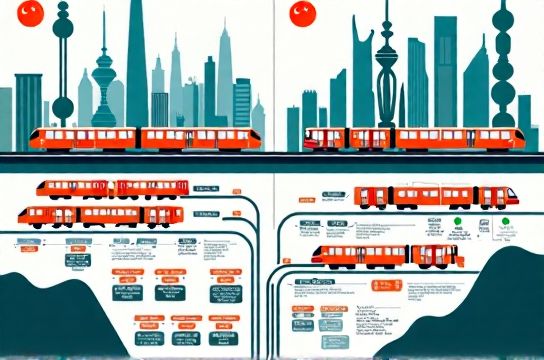
Whether you’re a digital nomad, an expat, or a curious traveler, mastering the metro, buses, and high-speed rail isn’t just convenient—it’s essential. Let’s break down what makes riding the rails in China a game-changer.
Why Public Transit Wins in Chinese Cities
Chinese cities are designed for mass mobility. With populations exceeding 10 million in places like Shanghai and Guangzhou, local governments have invested heavily in scalable, tech-integrated transit networks. The results? Subways that run every 2–3 minutes, contactless payments citywide, and real-time tracking via apps like Baidu Maps or Amap.
Take Beijing: its metro system spans over 807 kilometers (as of 2023), making it the longest in the world. Meanwhile, Shanghai’s network handles more than 10 million daily riders. That’s not just scale—it’s reliability.
Quick Comparison: Top 5 City Transit Systems
| City | Metro Length (km) | Daily Riders (millions) | Fare Range (CNY) | Contactless Payment? |
|---|---|---|---|---|
| Beijing | 807 | 12.1 | 3–8 | Yes (Alipay/WeChat) |
| Shanghai | 831 | 10.5 | 3–9 | Yes (QR code) |
| Guangzhou | 621 | 8.3 | 2–7 | Yes |
| Shenzhen | 547 | 7.6 | 2–8 | Yes |
| Chengdu | 558 | 6.1 | 2–6 | Yes |
Source: Urban Rail Transit Yearbook 2023
Tips from a Frequent Rider
- Download the right app: Use Baidu Maps (English-friendly) or Amap (more accurate locally) to check real-time departures and transfer routes.
- Get a transport card: While QR codes work, getting a physical card (like Shanghai’s Public Transportation Card) saves time and works across subways, buses, and even ferries.
- Avoid peak hours: 7:30–9:00 AM and 5:30–7:00 PM can be packed. If you can ride outside these windows, do it.
- Watch for express lines: In cities like Guangzhou, Line 3 has express and local services—check station signs carefully!
And don’t sleep on intercity travel. China’s high-speed rail connects major hubs at speeds up to 350 km/h. A trip from Beijing to Shanghai takes just 4.5 hours—and it’s often cheaper than flying when you factor in airport transfers.
In short, whether you're commuting or exploring, China’s public transit is built for speed, convenience, and scale. Once you get the hang of it, you’ll wonder why every country isn’t doing it this way.