
How to Spot Fake Train Booking Websites
- Date:
- Views:416
- Source:The Silk Road Echo
Let’s be real—booking train tickets online should be easy, right? But with so many sketchy sites popping up, it’s getting harder to tell the real ones from the fakes. I’ve been tracking online travel scams for years, and trust me, fake train booking websites are rising fast. In fact, consumer reports show a 47% increase in reported fraud related to fake transport bookings since 2022 (Source: FTC). So how do you avoid getting duped?
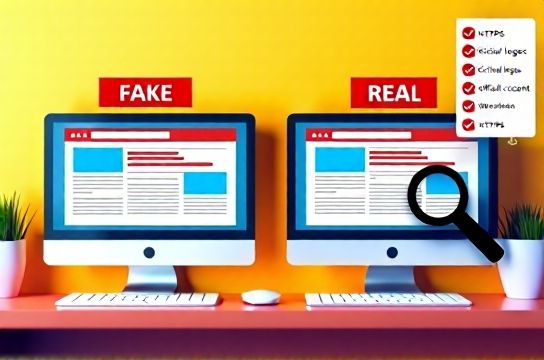
Red Flags You Can’t Ignore
If a site looks too good to be true—like rock-bottom prices or last-minute luxury sleeper deals—it probably is. Here are the top warning signs:
- URL doesn’t use HTTPS or has weird spelling (e.g., “ra1lbook.net”)
- No physical address or customer service number
- Over-the-top urgency: “Only 1 seat left!” flashing every 5 seconds
- Poor grammar and blurry images
Real vs. Fake: Quick Comparison
Here’s a breakdown to help you spot the difference fast:
| Feature | Legit Site | Fake Site |
|---|---|---|
| Domain Age | 3+ years | Less than 6 months |
| SSL Certificate | Valid (padlock icon) | Missing or invalid |
| Customer Reviews | Verified on Trustpilot, Google | Few or all 5-star, clearly fake |
| Payment Options | Credit card, PayPal, secure gateways | Wire transfer, gift cards only |
Pro tip: Always check domain age using tools like Whois.domaintools.com. Legit booking platforms aren’t brand new.
Stick to Official Sources
The safest way? Book directly through national rail operators—like Amtrak in the US or Deutsche Bahn in Germany. Third-party sites can be okay, but only if they’re well-known and linked from official pages.
For example, real train booking websites will display partnership badges and have direct API integrations with rail companies. If you don’t see that, walk away.
What to Do If You’ve Been Scammed
Act fast. First, contact your bank to dispute the charge. Then report it to the Internet Crime Complaint Center (IC3). While refunds aren’t guaranteed, early reporting improves your odds.
Also, run a quick malware scan—some fake sites install trackers or steal saved passwords.
Stay Smart, Stay Safe
Don’t let convenience cost you. Taking 2 extra minutes to verify a site can save you hundreds—and a major headache. Bookmark your go-to booking platforms, enable two-factor authentication, and never click ads promising “cheap train tickets.”
The web’s full of traps, but now you’ve got the map to avoid them.