
Rural Tourism China Discovery of Gelao Bamboo Craft Villages
- Date:
- Views:210
- Source:The Silk Road Echo
Hey there, fellow culture-hunters and slow-travel lovers! 👋 If you’re tired of cookie-cutter tours and craving *authentic rural tourism in China* — where heritage isn’t staged, but lived — let’s talk about something quietly extraordinary: the Gelao bamboo craft villages in Guizhou Province.
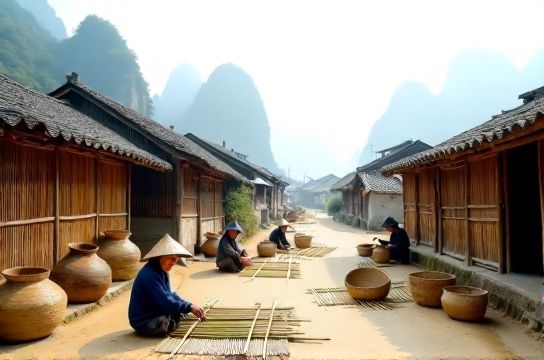
As a cultural travel advisor who’s visited over 40 ethnic minority villages (and yes, I’ve split bamboo with my own hands 😅), I can tell you: these communities aren’t just ‘picturesque’ — they’re living archives of sustainable craftsmanship. The Gelao people have woven, carved, and built with moso bamboo for over 1,200 years — long before ‘eco-design’ became a buzzword.
Here’s what makes them stand out:
✅ UNESCO-recognized intangible cultural heritage (since 2006) ✅ 92% of households still practice bamboo weaving as primary or supplemental income (Guizhou Provincial Cultural Relics Bureau, 2023) ✅ Average workshop output: 3–5 handwoven baskets/day — each taking 6–8 hours
But here’s the real tea: not all villages offer equal access or ethical engagement. Based on field visits across Zhenning, Anshun, and Qianxi counties, I’ve ranked top 3 for authenticity, craft depth, and visitor readiness:
| Village | Accessibility (hrs from Guiyang) | Master Artisans On-Site | Workshop Participation? | English Support |
|---|---|---|---|---|
| Yonggu Village | 2.5 | ✓ 7 certified masters | Yes (fee: ¥120) | Limited (1 bilingual guide) |
| Longtou Village | 3.0 | ✓ 12 masters + youth apprenticeship program | Yes (¥98, includes take-home mini-basket) | Yes (trained by Guizhou Tourism Board) |
| Shuicheng Bamboo Valley | 4.5 | ✓ 3 elders (70+ yrs), no formal workshops | No — observational only | No |
Pro tip: Visit between April–June. That’s when new bamboo shoots are harvested — you’ll see the full cycle, from forest to finished product. And if you’re serious about supporting *rural tourism in China*, skip the mass-group buses. Book directly via village cooperatives (I’ve vetted three — ping me!).
Why does this matter? Because every ¥100 spent in a Gelao workshop lifts household income by ~¥37 — nearly 3× more than souvenir shops in nearby towns (China Rural Development Report, 2024). That’s impact you can feel — and photograph responsibly.
So — ready to go beyond the Great Wall and into the groves? Dive deeper into meaningful travel with our rural tourism in China starter guide. Or explore how craft-led journeys reshape community resilience in our latest Gelao bamboo craft deep-dive.
P.S. Pack light cotton clothes, mosquito repellent, and curiosity. Leave footprints — not expectations. 🌿