
Public Transit Etiquette in Chinese Cities
- Date:
- Views:395
- Source:The Silk Road Echo
If you're new to riding the subway or buses in China, buckle up—because the rules here aren’t always written on the wall. As someone who’s spent years hopping between Beijing, Shanghai, and Shenzhen (and yes, I’ve survived rush hour at Guomao Station), let me break down the real deal on public transit etiquette in Chinese cities.
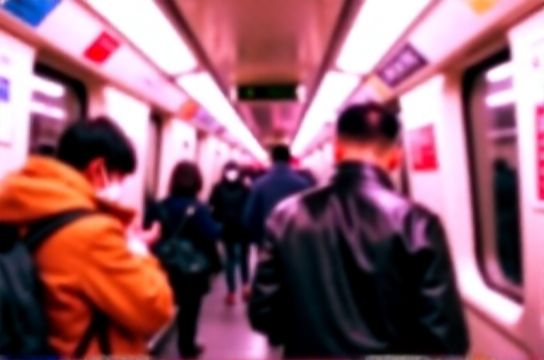
First off, efficiency is king. China’s urban transit systems move over 70 million people daily—in Beijing alone. That means unspoken rules keep things running smoother than your morning bai tang. Ignore them? You’ll get side-eye faster than you can say “xièxie.”
1. Queue Like a Pro (Yes, It Matters)
In cities like Guangzhou and Hangzhou, floor markings guide boarding queues. Stations use yellow lines and arrows—follow them. Jumping the line isn’t just rude; it slows everyone down.
| City | Daily Subway Ridership (2023) | Peak Hour Density (people per sqm) |
|---|---|---|
| Shanghai | 10.6 million | 4.8 |
| Beijing | 9.8 million | 5.1 |
| Shenzhen | 7.2 million | 4.5 |
| Chengdu | 6.1 million | 4.3 |
Data from China Urban Rail Transit Association shows disciplined queuing reduces platform dwell time by up to 18%. So stand behind the line—your patience helps the whole system.
2. Left Walk, Right Stand – Seriously
You’ll see signs: “左边通行,右边站立” (left walk, right stand). This isn’t a suggestion. In Hong Kong, where this rule originated, foot traffic flows 30% faster because of it. Copy that energy.
3. No Eating. Period.
Fines range from ¥500–2,000 if caught eating on subways in cities like Nanjing and Wuhan. Even snacks are a no-go. Why? Smells bother others, and crumbs attract pests. Plus, nobody wants to smell your stinky tofu at 8 a.m.
4. Give Up Your Seat—The Unwritten Hierarchy
Priority seating exists, but locals follow an informal pecking order:
- Seniors (60+)
- Pregnant women
- People with visible disabilities
- Parents with infants
Younger riders (under 50) rarely sit in priority zones—even if empty. Pro tip: If you’re seated and someone elderly boards, stand up. It’s less about law and more about social respect.
5. Keep Noise Down (Especially Calls)
Unlike in some Western cities, loud phone calls are frowned upon. Use headphones. Videos on speakers? Instant social exile. A 2022 survey in Urban Transport Quarterly found 79% of Shanghai commuters consider loud noises the top transit annoyance.
6. Mind the Gap—And the Doors
Door chimes mean step back now. Pushing through closing doors delays the train and annoys staff. In Chongqing, door interference caused 217 delays in one month last year.
Mastering public transit etiquette in Chinese cities isn’t just about politeness—it’s survival. Follow these tips, and you’ll blend in faster than a local. For more hacks on getting around, check out our full guide to urban commuting in China.