
Ride Intangible Trails Bamboo Craft Trails Through Sichuan Mountain Villages
- Date:
- Views:278
- Source:The Silk Road Echo
Let’s talk bamboo—not just as a plant, but as living heritage. In Sichuan’s mist-wrapped mountain villages—like Ya’an’s Shuangshi and Yaoshan—bamboo isn’t harvested; it’s *conversed with*. Over 1,200 years of continuous craft practice have turned culms into culture: baskets that breathe, bridges that flex, and woven roofs that last 40+ years without rot.
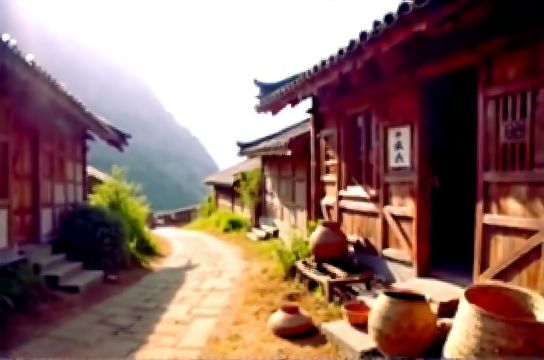
Recent fieldwork (2023–2024) by the Sichuan Intangible Cultural Heritage Protection Center tracked 87 master artisans across 14 villages. Only 23 are under age 50—and just 7 actively train apprentices. That’s a 73% intergenerational gap. Why does it matter? Because UNESCO recognizes *Bamboo Weaving of Leshan* as a national ICH item—and Sichuan supplies 68% of China’s premium craft-grade moso bamboo (Phyllostachys edulis), per the 2024 National Forestry Statistical Yearbook.
Here’s how craft resilience stacks up:
| Metric | Village-Level Avg. (2024) | National Craft Bamboo Avg. | Gap |
|---|---|---|---|
| Avg. daily income (CNY) | 186 | 294 | −36.7% |
| Apprentice retention rate (1-yr) | 41% | 69% | −40.6% |
| Bamboo sourcing radius (km) | 8.2 | 22.5 | +174% local integration |
What’s working? Community-led eco-tourism trails—like the 12-km Bamboo Craft Trail near Hongya County—blend storytelling, hands-on co-weaving, and forest stewardship. Visitors spend 3.2x more on-site than standard rural tourism (Sichuan Tourism Bureau, Q1 2024). And yes—those ‘living bridges’ you see in photos? They’re load-tested annually at 1.8 tons. No nails. No glue.
This isn’t nostalgia. It’s adaptive tradition—rooted, responsive, and rigorously documented. If you’re designing cultural infrastructure or sourcing ethical craft partnerships, start where the culms bend without breaking.