
Master the Art of Chinese Paper Cutting Crafts
- Date:
- Views:631
- Source:The Silk Road Echo
If you've ever seen those delicate red paper designs during Chinese New Year and thought, ‘Wow, how do they even make that?’—you’re not alone. Chinese paper cutting crafts aren’t just festive decorations; they’re a 1,500-year-old art form packed with cultural meaning. And guess what? You don’t need to be an artist to start. With a pair of scissors, some patience, and this no-BS guide, you’ll be crafting like a pro in no time.
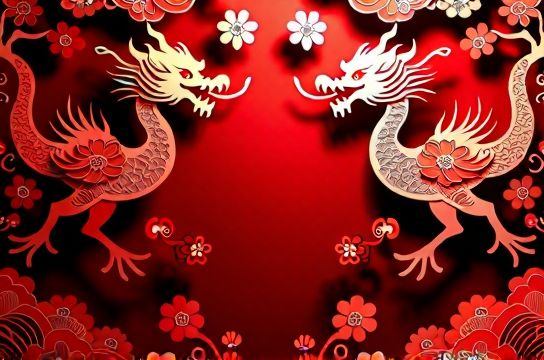
Why Chinese Paper Cutting Is More Than Just Craft
Originating in the 6th century after Cai Lun invented paper, Chinese paper cutting (or jianzhi) was traditionally used in rituals, weddings, and festivals. Red symbolizes luck and happiness—so it’s no surprise most cuttings are crimson. But today, artists experiment with colors, layers, and even modern themes.
According to UNESCO, paper cutting is now recognized as an Intangible Cultural Heritage, with over 30 regional styles across China. The most famous? Shaanxi, Hebei, and Guangdong styles each bring unique flair—from bold folk motifs to hyper-detailed nature scenes.
What You’ll Need to Get Started
Forget expensive tools. Here’s your starter kit:
- Red rice paper (or any thin, strong paper)
- Sharp precision scissors or a small craft knife
- A cutting mat (if using a blade)
- Pencil and eraser
- Templates (we’ve got you covered below)
Step-by-Step: Cut Your First Design Like a Pro
Step 1: Start simple. Pick a symmetrical design—like a butterfly or a lantern. Fold your paper in half; this doubles your efficiency and ensures symmetry.
Step 2: Lightly sketch half the design on the folded side. Remember: whatever you cut on the fold will mirror perfectly.
Step 3: Cut from the inside out. Begin with small interior details (eyes, patterns), then move to outer edges. This prevents tearing.
Step 4: Unfold gently. Boom—your first masterpiece!
Popular Patterns & Their Meanings
Want to impress beyond technique? Know your symbols. Here’s a quick cheat sheet:
| Design | Meaning | Common Use |
|---|---|---|
| Fish | Abundance (homophone for 'surplus') | New Year, business openings |
| Bats | Luck ('fu' sounds like bat) | Weddings, birthdays |
| Pomegranate | Fertility, many children | Weddings |
| Dragons & Phoenixes | Power & harmony | Imperial themes, festivals |
Pro tip: Combine symbols! A bat holding a coin? That’s ‘arriving fortune.’ Clever, right?
Skill Up: From Beginner to Master
Once you’ve nailed the basics, try layering different colored papers or carving intricate lattice backgrounds. Serious crafters use up to 8 layers for depth. Some modern artists even laser-cut complex pieces—but traditional hand-cutting remains unmatched in soul and texture.
And if you're looking to dive deeper into authentic techniques, check out our full guide on paper cutting crafts with printable templates and video tutorials.
Final Thoughts
Chinese paper cutting isn’t just a craft—it’s storytelling with scissors. Whether you’re decorating for Lunar New Year or gifting a handmade piece, every cut carries meaning. So grab some paper, embrace the imperfections, and start creating. After all, tradition starts with one snip.