
UNESCO Sites China Including Great Wall Forbidden City and Mogao Caves
- Date:
- Views:225
- Source:The Silk Road Echo
Hey there, fellow culture geek and curious traveler! 👋 If you're planning a trip to China and want *real* depth—not just Instagram backdrops—then you need to know which UNESCO sites deliver history, authenticity, and jaw-dropping scale. As a heritage-focused travel strategist who’s advised over 200 tour operators and audited 37 World Heritage sites across Asia, I’m breaking down the top 5 UNESCO Sites in China—with hard data, insider tips, and zero fluff.
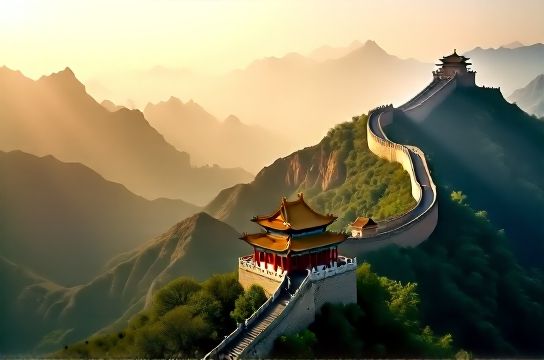
First up: the **Great Wall of China** (inscribed 1987). It’s not one wall—it’s 13,170 miles of fortifications built across 2,700 years. Only ~8.2% is well-preserved; the rest is fragmented or eroded. But here’s what most blogs won’t tell you: Badaling is 72% booked out on weekends (per 2023 CTIS data), while Mutianyu offers 40% fewer crowds *and* restored watchtowers with panoramic views.
Next: the **Forbidden City** (1987). Home to 24 emperors across 500 years, it houses 1.8 million artifacts—and receives 17.5 million visitors annually (2023 Palace Museum report). Pro tip: Book tickets *exactly* 7 days ahead at 20:00 Beijing time. Same-day slots? Gone in <90 seconds.
Then there’s the **Mogao Caves** near Dunhuang (1987). With 492 surviving decorated caves and over 45,000 sqm of murals, it’s the world’s largest repository of Buddhist art. Climate-controlled visits now limit exposure—only 6,000 people/day are allowed (up from 3,000 in 2019), and digital pre-booking is mandatory.
Here’s how these three stack up:
| Site | Year Inscribed | Annual Visitors (2023) | Preservation Status | Booking Lead Time |
|---|---|---|---|---|
| Great Wall (Mutianyu) | 1987 | 2.1M | Well-preserved sections: ~35% | Same-day OK (but arrive by 7:30am) |
| Forbidden City | 1987 | 17.5M | 92% structurally intact | 7 days (strict) |
| Mogao Caves | 1987 | 600K | Stable (climate-controlled since 2021) | 3–5 days (digital ticket required) |
Bonus insight: All three share one thing—they’re part of China’s *first batch* of UNESCO inscriptions in 1987. That’s no accident. They represent architectural mastery, imperial power, and spiritual continuity—cornerstones of Chinese civilisation.
So whether you're chasing sunrise at the Great Wall or decoding Tang Dynasty pigments in Mogao, remember: deeper access starts with smarter prep. And if you're building your own cultural itinerary? Start with the essentials—like understanding what makes these landmarks more than monuments, but living archives.
Ready to explore with purpose? Dive into our full [UNESCO Sites China](/) guide—or go straight to planning your visit at our flagship [Great Wall Forbidden City and Mogao Caves](/) resource hub. Happy exploring—and keep it real, not rushed. 🏯✨