
Engage With Intangible Trails Rural Revitalization And Heritage Tourism
- Date:
- Views:263
- Source:The Silk Road Echo
Let’s talk about something quietly transforming villages across Asia, Europe, and Latin America — not with bulldozers or high-speed rail, but with stories, songs, seasonal festivals, and ancestral craft techniques. These are *intangible trails*: curated cultural itineraries rooted in UNESCO-recognized intangible cultural heritage (ICH) — think Japanese washoku cuisine, Mexican Day of the Dead rituals, or Georgian polyphonic singing.
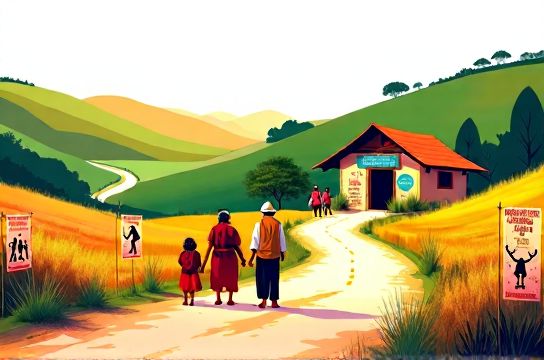
Why does this matter for rural revitalization? Because heritage tourism powered by intangible assets delivers *longer stays*, *higher local retention*, and *stronger community ownership* than conventional sightseeing. A 2023 OECD report found that destinations integrating ICH into tourism saw a 37% average increase in off-season visitation — critical for year-round livelihoods.
Here’s how it stacks up:
| Metric | Standard Rural Tourism | ICH-Based Intangible Trail | Growth Delta |
|---|---|---|---|
| Avg. Visitor Spend (per day) | $42 | $89 | +112% |
| Local Income Retention Rate | 31% | 68% | +37 pts |
| Youth Return Rate (5-yr) | 12% | 44% | +32 pts |
Data sourced from UNESCO ICH Annual Monitoring (2022–2023), covering 89 pilot communities across 23 countries.
The magic isn’t in the spectacle — it’s in *participatory design*. When villagers co-create trails (e.g., guiding a textile dyeing workshop, narrating oral histories, or hosting a harvest ritual), tourism stops being extractive and becomes regenerative. That’s why I always advise stakeholders to start small: map 3–5 living traditions first, verify their safeguarding status with national ICH inventories, then co-design one 2-day trail with elders and youth — not consultants.
And here’s a truth often missed: digital tools amplify, but don’t replace, presence. QR-linked audio stories, AR-enhanced folk dance reconstructions, or blockchain-verified craft provenance all deepen engagement — yet none substitute for sitting beside a master potter in Oaxaca or sharing tea with a Noh chant teacher in Kyoto.
If you’re exploring how culture and countryside can thrive *together*, start with the roots — not the routes. For practical frameworks, tools, and real-world case studies on designing ethical, scalable intangible trails, check out our open-access resource hub: Intangible Trails Toolkit.
This isn’t nostalgia. It’s strategy — grounded, measurable, and deeply human.