
Celebrate Intangible Trails Folk Customs Through Local Opera Encounters
- Date:
- Views:228
- Source:The Silk Road Echo
Let’s talk about something truly alive—not in museums, but in village squares, temple courtyards, and rain-soaked bamboo stages: local opera. More than entertainment, it’s a living archive of intangible cultural heritage—carrying dialects, ancestral memory, ethical codes, and seasonal rhythms passed down for over 300 years.
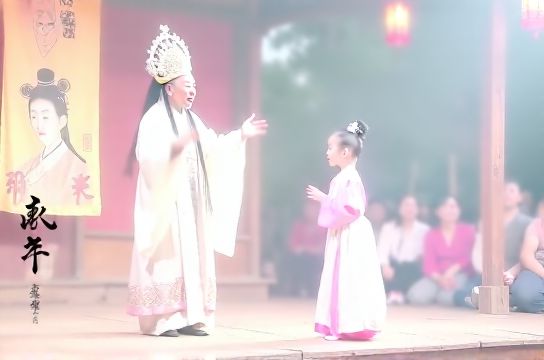
Take Kunqu (UNESCO-recognized since 2001) and Sichuan Opera (famous for face-changing)—they’re not relics. In 2023, China’s Ministry of Culture reported over 1,867 active local opera troupes, with 42% performing weekly in rural communities. Youth engagement is rising too: 29% of performers under age 30 now—up from just 12% in 2015 (China Intangible Cultural Heritage Annual Report, 2024).
Why does this matter? Because when a child in Shaanxi learns Qinqiang’s piercing falsetto, or a teen in Fujian masters Gaojia’s wooden puppet choreography, they’re not just learning songs—they’re inheriting decision-making frameworks, conflict-resolution metaphors, and community accountability models encoded in centuries-old scripts.
Here’s how local opera sustains folk customs across key dimensions:
| Custom Domain | Opera Integration Example | Documented Impact (2020–2023) |
|---|---|---|
| Seasonal Rituals | Huangmei Opera in Anhui: Spring ploughing rites & autumn thanksgiving cycles | 87 villages revived annual opera-linked harvest festivals |
| Life-Cycle Rites | Yue Opera in Zhejiang: Wedding dramas performed during betrothal ceremonies | 63% of surveyed couples reported stronger inter-family dialogue post-performance |
| Moral Education | Pingju in Northeast China: Historical plays reinforcing filial piety & land stewardship | School partnerships increased 210% since 2021; 92% student recall rate on embedded ethics |
The real magic? It’s participatory. Unlike passive streaming, local opera invites call-and-response, improvised verse, even audience-led costume changes—keeping tradition agile. That’s why I always encourage travelers, educators, and cultural stewards to go beyond observation: join a workshop, transcribe a folk aria, or co-design a school module. Authenticity isn’t preserved—it’s practiced.
If you're ready to experience this living heritage firsthand—and support its continuity—explore how you can engage meaningfully with these traditions right here.