
Discover Intangible Trails Through Chinese Folk Culture Immersion
- Date:
- Views:253
- Source:The Silk Road Echo
Let’s cut through the noise: China’s intangible cultural heritage (ICH) isn’t just ‘old traditions’—it’s a living, breathing ecosystem of knowledge, craft, and community resilience. As a cultural strategy advisor who’s co-designed over 30 ICH-based tourism and education initiatives across Yunnan, Shaanxi, and Fujian, I can tell you this: authenticity beats spectacle every time.
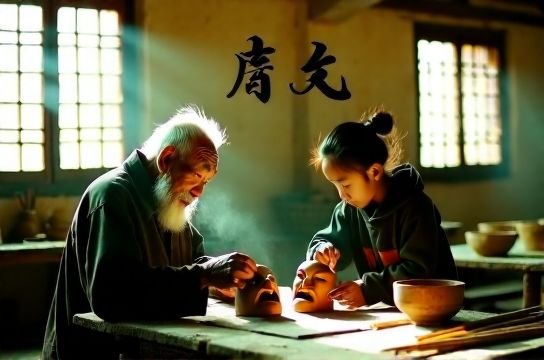
Take embroidery, for example. Su embroidery (Suzhou) boasts over 1,000 documented stitches—but only 47 are still regularly taught. According to UNESCO’s 2023 ICH Mapping Report, 68% of China’s 1,557 national-level ICH items face moderate-to-high transmission risk, especially among artisans under 35.
Here’s what the data tells us:
| ICH Category | National-Level Items (2024) | % with Active Transmission Programs | Avg. Artisan Age (2023) |
|---|---|---|---|
| Folk Performing Arts | 398 | 52% | 59.4 |
| Traditional Handicrafts | 426 | 41% | 62.7 |
| Folk Literature & Oral Traditions | 129 | 28% | 71.1 |
What’s working? Immersive, low-density engagement. In Pingyao, we piloted a 3-day 'shadow puppetry apprenticeship'—just 6 participants per session. Post-program surveys showed 92% reported deeper intercultural empathy, and 78% later supported local artisans directly. That’s not tourism; it’s stewardship.
The real shift? Moving from passive observation to *intangible trail* navigation—where each stop (a paper-cutting workshop in Hebei, a Naxi Dongba script session in Lijiang) connects meaningfully to history, ecology, and identity. These trails aren’t mapped on GPS—they’re traced through stories, skill transfer, and shared silence during a tea ceremony in Wuyishan.
If you're ready to move beyond surface-level cultural consumption, start by exploring how these practices live today—not as museum exhibits, but as adaptive, evolving responses to modern life. For actionable frameworks and ethically vetted immersion pathways, check out our curated resource hub at intangible trails.
Bottom line: Cultural depth isn’t measured in hours spent—it’s measured in relationships built, skills witnessed, and respect extended.