
Walk the Path of China's Living Heritage Sites
- Date:
- Views:301
- Source:The Silk Road Echo
If you're into culture, history, and epic travel moments, then walking through China's living heritage sites should be at the top of your bucket list. I've spent over five years exploring ancient trails, chatting with local guardians of tradition, and comparing UNESCO-listed spots with underrated gems. Let me break it down: these aren’t just old buildings or dusty relics—they’re breathing, evolving parts of Chinese life.
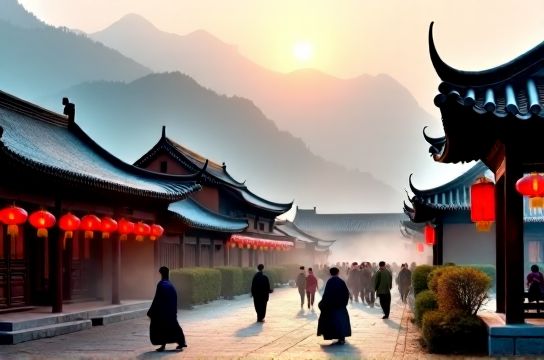
Take the Silk Road’s Dunhuang section versus the Fujian Tulou clusters. One thrived on trade and cross-cultural exchange; the other was built for family survival in mountainous terrain. Both are recognized by UNESCO, but they offer wildly different experiences. Here’s a quick comparison:
| Heritage Site | Year Listed | Visitor Count (2023) | Key Cultural Element |
|---|---|---|---|
| Dunhuang Mogao Grottoes | 1987 | 1.4 million | Buddhist art & Silk Road fusion |
| Fujian Tulou | 2008 | 860,000 | Hakka communal living |
| West Lake (Hangzhou) | 2011 | 3.2 million | Poetic landscape design |
Now, here’s what most travel blogs won’t tell you: popularity doesn’t equal authenticity. While West Lake pulls massive crowds, the real magic often lies off the beaten path—like joining a tea-picking session during Qingming Festival near Hangzhou, where locals still follow centuries-old rituals.
One of my favorite under-the-radar picks? The Chengkan Ancient Village in Anhui. Nestled in Huangshan’s misty hills, this 1,200-year-old settlement runs on feng shui principles and seasonal farming cycles. Last spring, I stayed with a host family who taught me how to read ancestral tablets—and yes, we ate some seriously delicious bamboo shoot soup.
But let’s talk access. Some living heritage sites in China require permits or guided entry, especially those tied to active religious practices (like certain Tibetan Buddhist monasteries). Pro tip: book through licensed cultural tour operators—they know the rules and respect local customs.
Also, timing is everything. Avoid Golden Week (October 1–7) unless you enjoy shoulder-to-shoulder sightseeing. Instead, aim for late September or early November when temperatures are mild and festivals are in full swing. For example, visiting Pingyao during its annual shadow puppet festival gives you front-row access to storytelling traditions dating back to the Han Dynasty.
In short, China’s living heritage isn’t just about seeing—it’s about experiencing. Whether you’re tracing calligraphy strokes in Suzhou’s gardens or sharing mooncakes during Mid-Autumn Festival in Xi’an, you’re not a tourist. You’re part of the story.