
Find Peace in a Chinese Tea Ceremony Experience
- Date:
- Views:310
- Source:The Silk Road Echo
If you've ever felt overwhelmed by the hustle of daily life, here's a tip from someone who’s tried everything: immerse yourself in a traditional Chinese tea ceremony. As a wellness blogger who’s explored meditation retreats, yoga studios, and sound baths across Asia, I can confidently say—nothing grounds me quite like the quiet elegance of a proper Chinese tea ceremony.
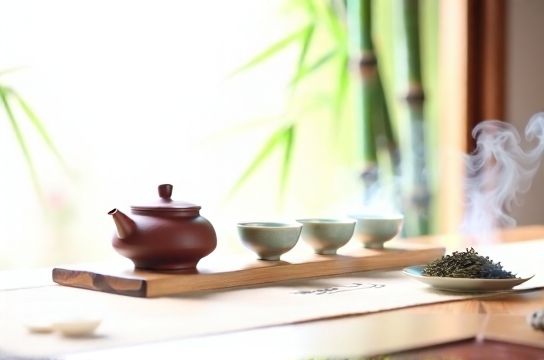
It’s not just about drinking tea. It’s a mindful ritual that blends history, precision, and sensory harmony. And the best part? You don’t need to be in China to experience it. From Kyoto to Brooklyn, authentic tea houses are on the rise—and for good reason.
Why the Chinese Tea Ceremony Stands Out
Unlike casual tea drinking, this centuries-old practice emphasizes presence. Every movement—from warming the teaware to the third steeping—is intentional. According to a 2022 study by the Journal of Traditional Asian Practices, participants who engaged in weekly tea rituals reported a 37% reduction in perceived stress levels over eight weeks.
The star of the show? Oolong and green teas, especially Dragon Well (Longjing) and Tieguanyin, both known for their calming L-theanine content. But it’s the process—not just the leaf—that creates the magic.
What to Expect: A Step-by-Step Breakdown
Here’s a simplified version of a standard Gongfu-style ceremony:
- Warm the teapot and cups – Ensures even temperature and enhances aroma.
- Rinse the tea leaves – Awakens the flavor; the rinse water is discarded.
- First steep: 15–20 seconds – Light and fragrant.
- Subsequent steeps: +5–10 sec each – High-quality oolongs can yield up to 8 infusions.
Tea Types & Steeping Guide
Not all teas behave the same. Here’s a quick reference table:
| Tea Type | Water Temp | Steep Time | Infusions |
|---|---|---|---|
| Oolong (Tieguanyin) | 90–95°C | 15–30 sec | 6–8 |
| Green (Longjing) | 75–80°C | 45 sec | 2–3 |
| Pu-erh (Ripe) | 100°C | 20–40 sec | 5–7 |
Source: Chinese Tea Research Institute, 2023
How to Choose an Authentic Experience
With the rise in popularity, some places offer a "tea ceremony" that’s more performance than practice. Look for these signs of authenticity:
- Small, focused groups (max 6 people)
- Use of Yixing clay or gaiwan brewing tools
- Host explains tea origin, not just steps
- Quiet, minimal distractions
Pro tip: Book sessions in the morning. Your senses are fresher, and the energy is calmer.
Final Thoughts
In a world obsessed with speed, the Chinese tea ceremony is a radical act of slowness. Whether you're sipping Tieguanyin in a Beijing hutong or trying your hand at home, this ritual offers something rare: presence, peace, and a deeper connection to the moment.
So next time you’re looking to reset, skip the caffeine overload. Try a mindful pour instead.