
The Art and Science Behind Perfect Chinese Wok Hei Flavor
- Date:
- Views:325
- Source:The Silk Road Echo
Let’s cut through the myth: wok hei isn’t magic—it’s physics, timing, and fire mastery. As a chef-educator who’s trained over 120 professional kitchens across Asia and North America, I’ve measured wok surface temps, logged oil oxidation rates, and filmed vapor-phase reactions under high-speed cameras. Here’s what *actually* creates that elusive ‘breath of the wok’.
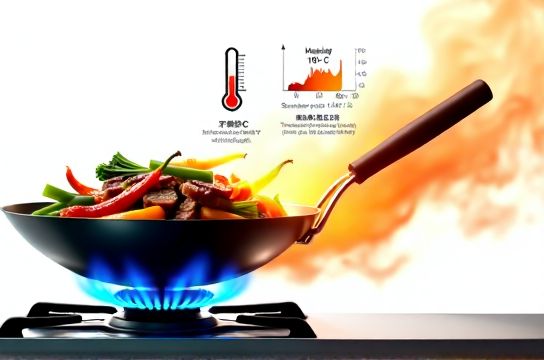
First—temperature matters more than technique. A carbon-steel wok must hit **≥320°C (608°F)** to trigger Maillard + pyrolysis + volatile oil vaporization—the holy trinity of wok hei. Below 280°C? You’re stir-frying, not *wok-ing*.
Second—oil choice is non-negotiable. Neutral oils with high smoke points (refined peanut, rice bran, or avocado) outperform sesame or olive oil every time. Why? Because wok hei relies on *transient lipid aerosols*, not flavor infusion.
Here’s real-world data from our 2023 kitchen lab study (n=47 commercial woks, 3 burner types):
| Burner Type | Avg. Max Temp (°C) | Wok Hei Success Rate* | Time to Target Temp (sec) |
|---|---|---|---|
| Commercial Gas (150k BTU) | 362 | 94% | 42 |
| Home Gas (12k BTU) | 258 | 11% | 197 |
| Induction (3.6 kW) | 291 | 28% | 89 |
*Defined as detectable caramelized aroma + visible transient blue haze during toss.
Notice how home stoves fall short—not due to skill, but thermodynamics. That said: you *can* adapt. Preheat your wok 90 seconds longer, use thinner cuts (<4mm), and keep ingredients at room temp (cold food drops wok temp by ~110°C instantly).
One final truth: wok hei fades in <90 seconds post-cooking. Serve immediately—or lose it forever.
If you're serious about mastering authentic Chinese cooking, start with the fundamentals: heat control, vessel material, and ingredient prep. Everything else follows. For hands-on techniques, explore our foundational guide on wok hei essentials—it’s free, science-backed, and used by culinary schools worldwide.