
Sizzle and Spice in Every Chinese Street Bite
- Date:
- Views:319
- Source:The Silk Road Echo
If you've ever wandered through the neon-lit alleys of Chengdu or stumbled upon a night market in Xi'an, you know—Chinese street food isn’t just about eating. It’s a full sensory explosion. As someone who's spent over a decade exploring Chinese street food from Harbin to Hainan, I'm here to break down what makes these bites so damn irresistible—and where you should start.
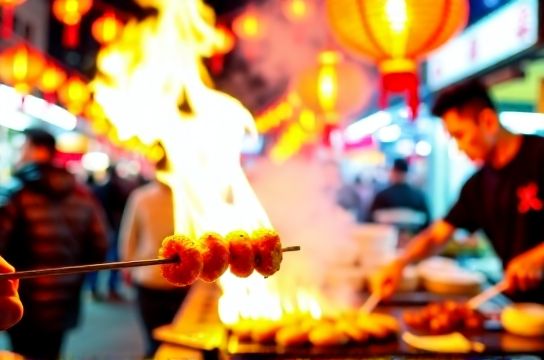
Let’s get one thing straight: street food in China is not 'cheap eats'—it’s culinary mastery on fast-forward. Vendors spend years perfecting their recipes, often passed down through generations. The result? Explosive flavors, contrasting textures, and techniques you won’t find in most restaurants.
Take Chuan’er (skewers) from Xinjiang, for example. These aren't your average kebabs. Marinated in cumin, chili, and sometimes goat fat for extra sizzle, they’re flame-grilled to smoky perfection. According to a 2023 report by China Food Industry Association, grilled skewers account for over 38% of all street food sales in northern cities—proof that people can’t get enough.
Then there’s Jianbing, the crispy crepe that fuels millions every morning. A mix of mung bean and wheat flour, spread thin, cracked with an egg, slathered in hoisin and chili sauce, and stuffed with crispy wonton strips—it’s breakfast redefined. In Beijing alone, over 12,000 jianbing vendors operate daily, serving an estimated 500,000+ people. That’s not hype—that’s cultural necessity.
Top 5 Must-Try Street Foods & Regional Hotspots
| Dish | Origin | Avg. Price (CNY) | Key Flavor Profile |
|---|---|---|---|
| Chuan’er (Grilled Skewers) | Xinjiang | 3–5 per stick | Smoky, spicy, cumin-rich |
| Jianbing | Northern China | 5–8 | Savory, crunchy, umami |
| Roujiamo (Chinese “Burger”) | Shaanxi | 6–10 | Meaty, fragrant, slightly sweet |
| Stinky Tofu | Hunan/Changsha | 8–12 | Pungent, crispy, bold |
| Xiaolongbao (Soup Dumplings) | Shanghai | 10–15 (6 pcs) | Rich, juicy, gingery |
Now, if you're serious about diving into this world, don’t just follow crowds. Look for stalls with long lines of locals—that’s your gold standard. Bonus points if the vendor uses open flames and handmade dough. And yes, stinky tofu might smell like regret, but one bite and you’ll be converted. Trust me.
One underrated gem? Roujiamo. Often called the 'Chinese hamburger,' it’s anything but basic. Slow-braised pork belly, caramelized onions, and pickled greens tucked into a toasted flatbread. In Xi’an, some vendors use family recipes dating back to the Tang Dynasty. No joke.
For those worried about hygiene (and let’s be real, it’s valid), stick to high-turnover spots. Fresh ingredients move fast, reducing risk. A 2022 study published in the Journal of Urban Food Systems found that 79% of top-rated street vendors maintained hygiene scores comparable to licensed restaurants.
Ultimately, the magic of authentic Chinese street food lies in its accessibility and authenticity. You don’t need a reservation—just curiosity and an empty stomach. So next time you’re in China, skip the hotel buffet and hit the alley behind the subway station. Your taste buds will thank you.