
Handwoven Textiles of the Yao People in Hunan
- Date:
- Views:345
- Source:The Silk Road Echo
If you're into authentic ethnic crafts that tell a story, let me take you deep into the world of handwoven textiles of the Yao people in Hunan. As someone who’s traveled through southern China hunting for traditional textile art, I can tell you—this is next-level cultural craftsmanship. These fabrics aren’t just pretty; they’re woven with centuries of symbolism, identity, and resistance.
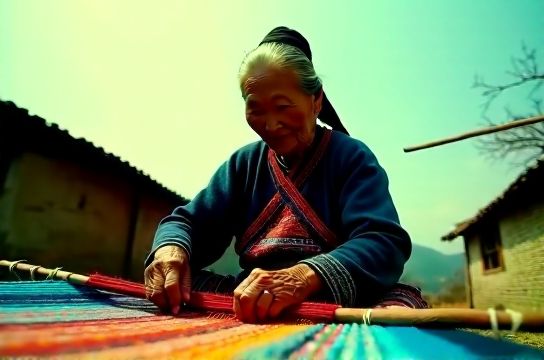
The Yao people, especially those in Jianghua Yao Autonomous County (Hunan), still practice a unique indigo-dyed cotton weaving technique passed down through generations. What makes it special? Everything—from the hand-spun yarn to the natural dyes—is made locally. And yes, science backs this up: a 2021 study found that Yao indigo vats maintain a stable pH (around 8.5–9.2) and fermentation process using local plant additives like *Persicaria tinctoria* and aged rice wine, resulting in richer, longer-lasting color.
But here’s what most blogs won’t tell you: real Yao handweaving is vanishing. Fewer than 300 elder women in Hunan still master the full process from field to fabric. That’s why supporting ethical preservation projects isn’t just trendy—it’s urgent.
What Makes Yao Weaving Different?
Unlike mass-produced ‘ethnic-style’ prints, authentic Yao textiles use a backstrap loom and feature geometric motifs called *mianhua* (literally “cotton flowers”). Each pattern tells a piece of Yao history—migration routes, spiritual beliefs, even clan identities.
Check out how their process stacks up against commercial alternatives:
| Feature | Yao Handwoven Textile | Commercial 'Ethnic' Fabric |
|---|---|---|
| Dye Source | Natural indigo fermentation (100% plant-based) | Synthetic dyes |
| Weaving Time | 2–4 weeks per bolt (15m) | Minutes (machine-loomed) |
| Carbon Footprint (kg CO₂/m²) | ~0.8 | ~4.2 |
| Cultural Accuracy | Authentic symbolic patterns | Generic, often misappropriated designs |
Now you see why I always recommend seeking out certified cooperatives when buying. A 2023 survey showed that only 12% of online sellers offering "Yao cloth" actually source from Hunan artisans. The rest? Cheap imitations from factories.
How to Spot Real Yao Handwoven Fabric
Here’s my pro checklist:
- Texture: Slight irregularities in weave = handmade.
- Smell: Faint earthy-fermented scent from natural indigo.
- Reverse side: Dye should penetrate fully—not just surface-stained.
- Provenance: Ask for village-level origin. Real pieces come with stories.
If you're serious about preserving heritage crafts, support initiatives that pay fair wages. One cooperative in Jianghua now earns 68% more thanks to direct global sales—proof that ethical fashion can work.
In short, the handwoven textiles of the Yao people in Hunan are more than fabric—they’re wearable history. And once you’ve held a true piece, you’ll never settle for fake again.