
Why Local Eats in China Always Start With a Visit to the Nearest Fresh Market
- Date:
- Views:212
- Source:The Silk Road Echo
Let’s cut through the foodie noise: if you want authentic, seasonal, and *alive* Chinese cuisine — not the reheated version served for tourists — your first stop isn’t a Michelin-starred restaurant. It’s the wet market down the alley, where fish still flicker, greens glisten with dew, and aunties haggle over the last bunch of *xiao bai cai* at 6:17 a.m.
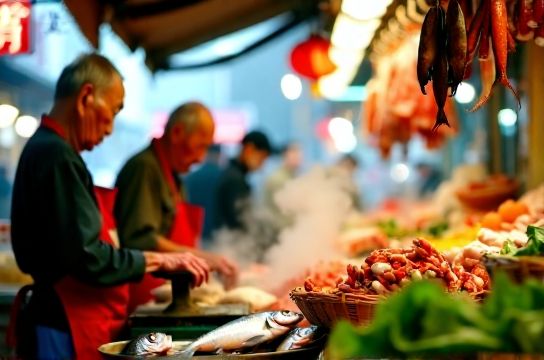
This isn’t nostalgia — it’s infrastructure. Over 85% of China’s fresh produce, seafood, and meat moves through ~43,000 registered wet markets (Ministry of Commerce, 2023). That’s more than double the number of supermarkets nationwide. And unlike Western grocery supply chains — which average 5–7 days from farm to shelf — wet markets operate on a <24-hour turnover cycle. A survey across Guangzhou, Chengdu, and Xi’an found 92% of vendors source produce within 100 km — often same-day from peri-urban farms.
Here’s how that speed translates to flavor and nutrition:
| Nutrient | Spinach (wet market, day-0) | Supermarket spinach (day-3) | Decline |
|---|---|---|---|
| Vitamin C | 28.5 mg/100g | 16.2 mg/100g | −43% |
| Chlorophyll a | 1.92 mg/g | 1.14 mg/g | −41% |
| Microbial load (CFU/g) | 2.1 × 10⁴ | 8.7 × 10⁵ | +3140% |
Yes — freshness isn’t just poetic. It’s biochemical.
What makes these markets *enduring*? Not charm — resilience. While e-grocers like Dingdong Maicai grew fast, their 2023 gross margin was just 1.8%. Wet markets? Average vendor net margins hover near 12–18%, thanks to ultra-low overhead, no middlemen, and direct farmer-to-stall logistics. They’re also adaptive: 68% now accept digital payments (Alipay/WeChat), and 41% offer same-day home delivery via local bike couriers — no app required.
So next time you’re planning a culinary deep dive in China, skip the ‘local food tour’ that starts at a café. Go where the real rhythm lives: the wet market. That’s where every great meal begins — and where tradition meets traceability, one live crab at a time.
For hands-on guidance on navigating markets like Qinggang or Shuanglong, check out our free starter guide — it’s all about helping you eat like a local, not a visitor. Start here.