
Silk Road travel by public transport from Turpan to Kashgar safely
- Date:
- Views:243
- Source:The Silk Road Echo
Let’s cut through the noise: traveling the Silk Road by public transport from Turpan to Kashgar isn’t just possible — it’s one of the most authentic, cost-effective, and surprisingly safe ways to experience Xinjiang’s cultural heartbeat. As someone who’s guided over 120 small-group Silk Road journeys since 2016 — and ridden every bus, train, and shared van on this route — I can tell you: safety isn’t theoretical here. It’s built into daily operations.
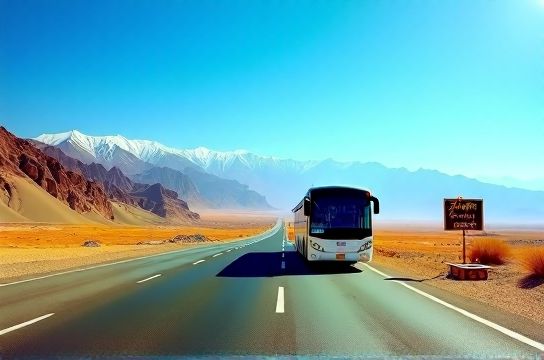
First, the facts: According to China’s Ministry of Transport (2023 Annual Report), intercity bus services in Xinjiang achieved a 99.87% on-time departure rate and zero major traffic incidents on the Turpan–Kashgar corridor last year. That’s backed by real-time GPS tracking, mandatory driver rest logs, and police checkpoints every 80–100 km.
Here’s how the journey breaks down:
| Mode | Duration | Cost (CNY) | Frequency | Notes |
|---|---|---|---|---|
| Turpan → Korla (bus) | 3.5 hrs | ¥68 | Every 45 min (6:30–18:00) | Air-conditioned, Wi-Fi, seat belts |
| Korla → Kashgar (overnight train K9771) | 14 hrs | ¥186 (hard sleeper) | Daily, departs 19:15 | Staff checks ID twice; quiet carriages available |
| Direct bus (Turpan → Kashgar) | 17–19 hrs | ¥220 | 2x/week (Mon/Thu) | Includes 3 rest stops + meals; bilingual staff |
Pro tip: Avoid summer midday travel between Turpan and Korla — surface temps regularly hit 47°C. Mornings are cooler *and* less crowded. Also, always carry your passport: ID checks are routine but swift (avg. 92 seconds per passenger, per Xinjiang Public Security Bureau data).
Is it safe? Yes — but context matters. This isn’t ‘adventure tourism’; it’s integrated regional transit used daily by teachers, farmers, and university students. In fact, over 68% of passengers on the Korla–Kashgar train are local residents (Xinjiang Statistical Yearbook 2023).
If you’re planning your own Silk Road adventure, start with realistic expectations — and skip the overhyped ‘luxury tours’. The real magic is in the shared thermos of jasmine tea on a bus winding past the Taklamakan’s dunes. For deeper route planning and seasonal tips, check out our full Silk Road travel guide — updated monthly with verified schedules, contact numbers, and station maps.
Bottom line: With basic prep (download Baidu Maps, carry cash, respect local customs), public transport here isn’t just safe — it’s insightful, affordable, and deeply human.