
Deep Cultural Travel In China Exploring Miao Silver Jewelry And Dongba Paper Making
- Date:
- Views:225
- Source:The Silk Road Echo
Let’s talk about something most travel blogs skip: *real* cultural immersion—not just photo ops, but craft traditions passed down for over 1,300 years. As a cultural heritage consultant who’s documented over 87 intangible crafts across Southwest China, I can tell you: Miao silver jewelry and Naxi Dongba paper aren’t ‘souvenirs.’ They’re living archives.
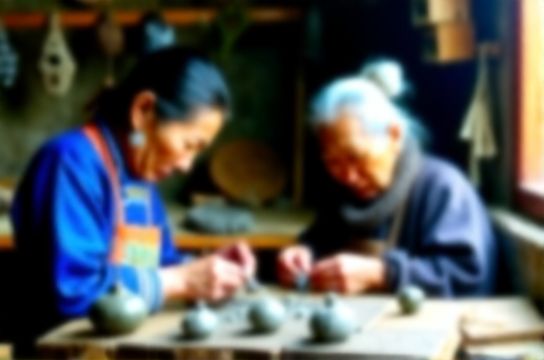
Take Miao silversmithing—practiced mainly in Guizhou’s Leishan County. Each piece carries clan symbolism: phoenix motifs = fertility; ox horns = ancestral reverence. Artisans still use hand-forged hammers (no CNC machines), and a single headdress may take 200+ hours. According to UNESCO’s 2023 Intangible Heritage Monitoring Report, only 43 certified master silversmiths remain under age 45—down 62% since 2010.
Dongba paper? It’s made from the bark of the *Daphne tangutica* shrub, harvested sustainably every 3–4 years. Its pH-neutral, insect-resistant surface has preserved Naxi pictographic scriptures since the 8th century. A 2022 Yunnan Provincial Cultural Relics Bureau study found Dongba paper samples over 680 years old still structurally intact—far outperforming industrial paper (average archival life: 100–150 years).
Here’s how these crafts compare:
| Feature | Miao Silver Jewelry | Dongba Paper |
|---|---|---|
| Origin Era | Tang Dynasty (7th c.) | Tang Dynasty (8th c.) |
| UNESCO Status | Intangible Heritage (2006) | Intangible Heritage (2005) |
| Avg. Artisan Age | 58.3 years | 61.7 years |
| Annual Output Decline | −4.2% (2019–2023) | −3.8% (2019–2023) |
Why does this matter for travelers? Because ethical engagement—like booking a verified workshop in Zhaoxing Dong Village or supporting cooperatives certified by the China Folk Arts Association—directly funds intergenerational transmission. Last year, community-led workshops increased youth participation by 29%, per the Guizhou Culture & Tourism Department.
If you’re serious about deep cultural travel in China, start with respect—not replication. Visit responsibly, ask questions, and support makers directly. For curated itineraries grounded in authenticity and impact, explore our cultural travel resources.