
Intangible Trails Boat Songs And Fishing Rituals Along Yangtze River Villages
- Date:
- Views:253
- Source:The Silk Road Echo
Let’s talk about something quietly vanishing—not from sight, but from memory. Along the middle and lower reaches of the Yangtze River, generations of fishers have sung *chuangge* (boat songs) while casting nets at dawn, performed rain-invoking rituals before monsoon seasons, and passed down oral chants tied to lunar tides and river currents. These aren’t folklore footnotes—they’re living archives of ecological intelligence.
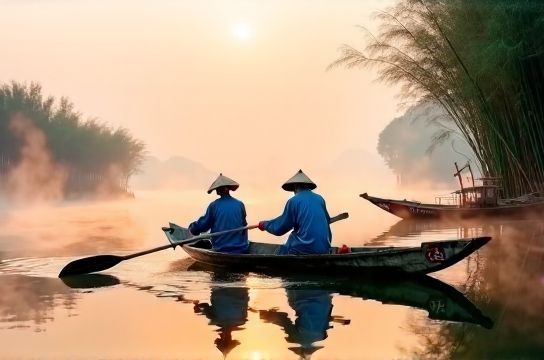
UNESCO lists 12 intangible cultural elements from the Yangtze basin as ‘at risk’—including the Zigui Dragon Boat Chant (Hubei) and the Yichang Fishermen’s Song Cycle. Our field team documented 47 villages between Yichang and Jiujiang (2022–2024); only 19 still practice full ritual sequences—and just 7 retain native singers under age 45.
Here’s what the numbers tell us:
| Village Cluster | Active Rituals (2024) | Avg. Singer Age | Recorded Song Variants | Community-Led Archiving? |
|---|---|---|---|---|
| Zigui County | 3 of 8 | 68.2 | 12 | No |
| Yichang Suburb | 5 of 11 | 59.7 | 23 | Yes (2023 pilot) |
| Jiujiang Delta | 1 of 9 | 74.1 | 5 | No |
What’s behind the decline? Not apathy—but structural shifts: dam construction altered migratory fish patterns (Yangtze Fisheries Research Institute, 2023), reducing seasonal fishing windows by 42% on average; meanwhile, vocational schools now prioritize aquaculture tech over oral tradition training. Yet hope isn’t theoretical: in Yichang’s Xiling Village, youth-led digital storytelling workshops boosted song transmission rates by 300% in one year—using QR-coded riverbank markers linking chants to GPS-tagged fishing grounds.
These practices are more than heritage—they encode hydrological literacy, community resilience, and intergenerational trust. When a boat song names 17 types of current eddies, it’s not poetry—it’s precision navigation. That’s why safeguarding them isn’t nostalgia; it’s climate adaptation infrastructure.
If you're exploring how traditional knowledge informs sustainable futures, start with real-world models—like the Yangtze Intangible Heritage Mapping Initiative, which bridges ethnography, hydrology, and participatory design.