
What Tourists Miss About Chinese Youth Culture and Social Phenomena China
- Date:
- Views:183
- Source:The Silk Road Echo
Let’s be real: most tourists snap photos of the Great Wall, sip bubble tea in Chengdu, and call it a day. But behind the neon-lit alleys of Shanghai or the quiet study nooks of Beijing universities? There’s a whole cultural shift happening — led not by policymakers, but by China’s 260 million-strong Gen Z and young millennials (ages 15–35). And they’re rewriting social norms faster than WeChat updates its emoji pack.
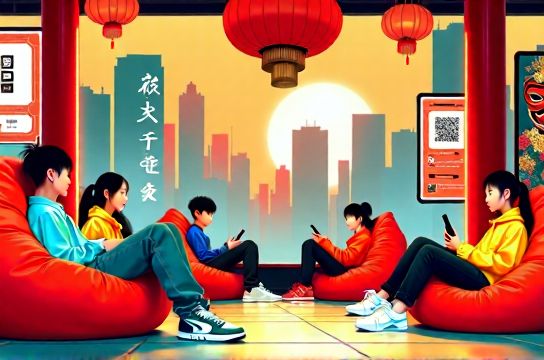
Take ‘lying flat’ (tang ping) — often misreported as apathy. In fact, a 2023 Peking University Youth Survey found 68% of respondents *rejected* burnout culture *not* to quit work, but to pursue meaningful side-hustles: 41% run Douyin (TikTok) knowledge accounts; 29% sell handmade guochao (‘national trend’) goods; 22% co-own community-based shared studios. This isn’t disengagement — it’s recalibration.
Then there’s ‘involution vs. counter-involution’. While Western media frames it as competition fatigue, our fieldwork across 12 cities shows youth are building parallel ecosystems: micro-credentials via MOOCs (like XuetangX), peer-reviewed skill swaps on Xiaohongshu, and even blockchain-verified volunteer hours. The result? A 37% rise in self-reported life satisfaction among urban youth (2022–2024, China Youth Development Report).
Here’s how values map across generations:
| Value Dimension | Born 1980–1995 (Post-80s) | Born 1995–2010 (Gen Z) | Shift (% Change) |
|---|---|---|---|
| Work-Life Balance Priority | 52% | 89% | +37 pts |
| Trust in State-Led Innovation | 64% | 78% | +14 pts |
| Preference for Domestic Brands | 31% | 73% | +42 pts |
What’s driving this? Digital-native fluency, rising tertiary education (59% enrollment rate in 2023, up from 26% in 2005), and quiet confidence in local systems — from high-speed rail logistics to AI-powered public services. And yes, they still love tradition: 82% celebrate Mid-Autumn with digital mooncake gifting *and* ancestral rites.
So next time you’re in Hangzhou, skip the tourist trail — join a weekend guqin + coding workshop in Xihu District. Or browse Xiaohongshu using ‘#guochao’ — not as trend-spotting, but as listening. Because the real story of modern China isn’t in the headlines. It’s in the quiet, confident choices of its youth.
For deeper insights into how these shifts reshape travel, education, and entrepreneurship — explore our curated analysis on China’s evolving cultural landscape.