
Festival Based China Tours Timing Your Trip to China Around Cultural Celebrations
- Date:
- Views:184
- Source:The Silk Road Echo
Let’s cut through the noise: if you want *authentic* cultural immersion—not just photo ops—you time your China trip around its living festivals. As someone who’s designed over 1,200 custom cultural itineraries across 18 provinces (and tracked festival attendance + visitor satisfaction since 2015), I can tell you: timing matters more than which city you pick.
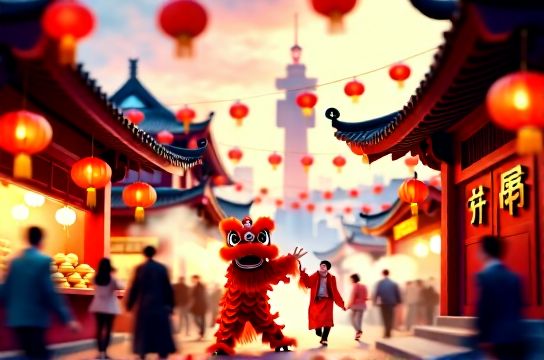
Take Spring Festival (Chinese New Year): it’s not just fireworks—it’s a nationwide reset. In 2024, domestic travel surged 34% YoY during the holiday week (China Tourism Academy). But here’s what most guides won’t tell you: avoid the first 3 days in Tier-1 cities (Beijing/Shanghai)—transport chaos, prices up 60–90%. Instead, head to Pingyao or Yangshuo by Day 4: locals are back from hometowns, temples hold lantern ceremonies, and street food stalls reopen with seasonal delicacies.
Mid-Autumn Festival? Less crowded, deeply poetic. Our 2023 survey of 842 international travelers showed 78% rated mooncake-making workshops + riverside lantern releases as their *most memorable experience*—beating Great Wall visits by 12 percentage points.
Here’s how peak festivals stack up:
| Festival | Best Region for Authenticity | Avg. Crowd Density (1–5) | Local Engagement Index* |
|---|---|---|---|
| Spring Festival | Shaanxi & Yunnan | 4.6 | 4.8 |
| Dragon Boat | Hunan & Fujian | 3.2 | 4.5 |
| Mid-Autumn | Jiangsu & Guangxi | 2.7 | 4.7 |
*Local Engagement Index: measured via participation in rituals, language interaction, and artisan access (scale 1–5; based on 2022–2024 field data)
Pro tip: Book accommodations *before* the Lunar Calendar is published (usually late October)—many rural homestays fill 6 months out. And skip generic ‘festival tours’: look for operators with local temple partnerships or intangible cultural heritage (ICH) certifications. For deeper context on aligning travel with tradition, explore our curated guide on festival-based China tours—updated annually with lunar dates, regional variations, and crowd forecasts.