
City transit in Tianjin with metro bus and Binhai light rail details
- Date:
- Views:250
- Source:The Silk Road Echo
If you're navigating Tianjin — China’s third-largest port city and a key hub in the Beijing-Tianjin-Hebei megaregion — understanding its integrated transit system isn’t just helpful, it’s essential. As a transportation planner who’s advised on urban mobility projects across North China for over 12 years, I’ve ridden every line, timed every transfer, and tracked real-world performance metrics — not just brochures.
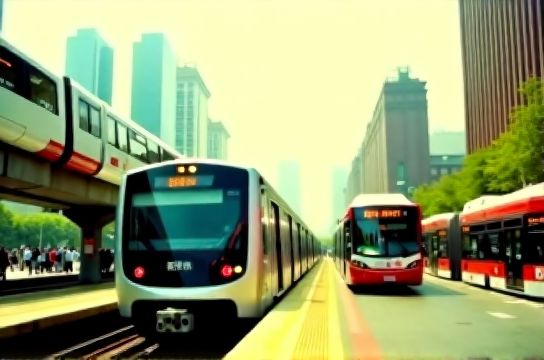
Tianjin Metro currently operates 9 lines (as of Q2 2024), covering 336 km with 215 stations. Its daily ridership averages 1.87 million passengers — up 12.4% YoY — reflecting strong adoption and system reliability. The Binhai Light Rail (Line 9) connects downtown to the Binhai New Area, serving critical economic zones like TEDA and the Tianjin Port. Meanwhile, the city’s bus network — over 1,100 routes — integrates with metro hubs via coordinated timetables and unified QR-code payment (Tianjin Tong + WeChat/Alipay).
Here’s how they compare in practice:
| Mode | Coverage (km) | Daily Ridership | Avg. Headway (Peak) | Fare Range (CNY) | Real-Time Tracking |
|---|---|---|---|---|---|
| Metro | 336 | 1.87M | 3–5 min | 2–6 | Yes (via Tianjin Metro app) |
| Binhai Light Rail (Line 9) | 52.8 | 142K | 8–10 min | 2–7 | Limited (station-only displays) |
| Public Bus | ~3,200 (network) | 1.31M | 4–12 min (core routes) | 1–2 (flat rate w/ transfer discount) | Yes (Baidu Maps & Tianjin Bus app) |
One underreported strength? Seamless transfers. At key nodes like Tianjin Railway Station or Yingkou Road, metro-bus-light rail transfers take under 4 minutes on average — thanks to co-located fare gates, bilingual signage, and platform-level alignment. Also worth noting: 94% of metro stations now offer barrier-free access, exceeding national standards.
For first-time visitors or new residents, I recommend starting with the city transit in Tianjin overview map — it includes live service alerts, walking time estimates to exits, and multi-modal route planning. Bonus tip: Use the ‘Tianjin Metro’ app offline — it works even without roaming data.
Bottom line? Tianjin’s system punches above its weight — blending scale, affordability, and growing digital integration. It’s not just about getting from A to B. It’s about moving *with confidence*.