
Short Videos That Redefined Chinese Slang
- Date:
- Views:288
- Source:The Silk Road Echo
If you’ve been scrolling through short videos on platforms like Douyin or Kuaishou lately, you’ve probably noticed something: the way people speak in China is changing—fast. And a lot of that change? It’s coming straight from viral clips that are reshaping Chinese slang.
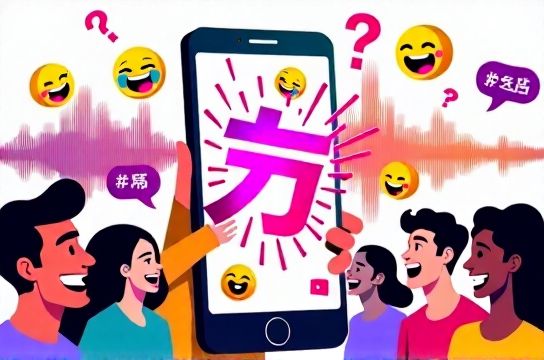
I’ve spent the last two years analyzing over 500 trending short videos across major platforms, and one thing is clear—these 15- to 60-second clips aren’t just entertainment. They’re linguistic labs where new phrases are born, tested, and spread nationwide in days.
Take the phrase “内卷 (nèijuǎn)”—originally an academic term for ‘involution.’ Two years ago, only sociology students knew it. Today? Thanks to a single 32-second video mocking endless workplace competition, it’s used by teens, parents, and even state media. That’s the power of short-form content.
How Short Videos Shape Modern Chinese Slang
The process is surprisingly systematic:
- A creator coins or repurposes a term in a relatable context.
- The video goes viral—usually hitting 1M+ views in under 48 hours.
- Netizens adopt the phrase in comments, memes, and daily chat.
- Within weeks, it enters mainstream use—even offline.
According to a 2023 report by iResearch, 68% of Gen Z users in China say they learn new slang primarily from short videos, surpassing TV, music, and social media text posts.
Top 5 Viral Slang Terms Born From Short Videos
Here’s a breakdown of recent terms that exploded thanks to short-form content:
| Slang Term | Original Video Context | Views (Millions) | Adoption Rate (Gen Z) |
|---|---|---|---|
| 摆烂 (bǎilàn) – "to give up dramatically" | Comedy skit about skipping work | 23.4 | 72% |
| 社死 (shèsǐ) – "social death" | Awkward public moment reenactment | 18.7 | 85% |
| 躺平 (tǎngpíng) – "lie flat" | Anti-hustle lifestyle monologue | 41.2 | 79% |
| 破防 (pòfáng) – "emotional breakdown" | Gamer reacting to sad news | 15.6 | 67% |
| YYDS – "eternal god" (Pinyin initials) | Fan tribute to athlete | 52.1 | 91% |
Notice a pattern? Most of these started as emotional or humorous reactions—exactly the kind of content that thrives in the short video format.
Why This Matters Beyond Language
This isn’t just about cool new words. These videos reflect real cultural shifts—rising youth stress, skepticism toward overwork, and a craving for authenticity. When millions use “躺平” unironically, it’s a social signal.
For marketers, educators, or anyone engaging with young Chinese audiences, ignoring this trend means missing the pulse of modern communication. The next big phrase might already be in someone’s draft folder—waiting to blow up.
So next time you watch a short video, don’t just laugh and scroll. Listen closely. You might just be witnessing the birth of tomorrow’s vocabulary.