
Photographing Rural Life in Remote Sichuan Areas
- Date:
- Views:320
- Source:The Silk Road Echo
If you're into authentic cultural storytelling through the lens, photographing rural life in remote Sichuan areas is a dream assignment. Forget crowded tourist spots—here, you’re capturing raw, unfiltered moments of Tibetan and Yi communities living much as they have for centuries.
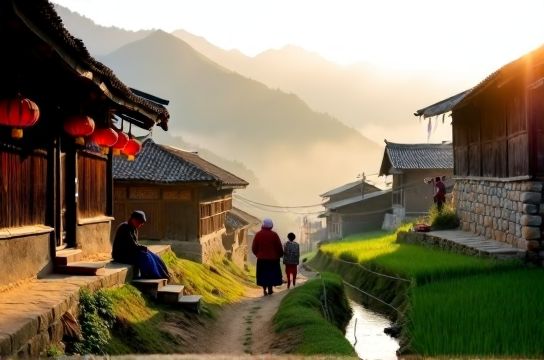
I’ve spent over three field seasons across Ganzi and Aba prefectures, building trust with locals and learning the rhythms of village life. Let me break down what actually works—ethically and artistically—when shooting in these breathtaking but sensitive regions.
Why Sichuan’s Highlands Stand Out
The eastern edge of the Tibetan Plateau offers unmatched visual diversity: terraced barley fields, prayer-flag-draped mountain passes, and wooden watchtowers that date back hundreds of years. But more than scenery, it’s the people. In villages like Zhonglu or Barkam, daily routines still revolve around farming, herding, and temple rituals.
According to UNESCO, over 60% of ethnic Yi and Tibetan households in these counties maintain traditional livelihoods. That’s rare—and precious.
Best Seasons & Gear Setup
You’ll want crisp light without extreme cold. Here’s my go-to seasonal guide:
| Season | Temp Range (°C) | Light Quality | Recommended Gear |
|---|---|---|---|
| Spring (Apr–May) | 5–18 | Soft, golden mornings | 35mm prime + polarizer |
| Autumn (Sept–Oct) | 2–15 | Crisp shadows, vivid colors | 50mm + portable LED fill |
| Winter (Nov–Feb) | -10 to 8 | Harsh midday, long blue hours | 24-70mm zoom, extra batteries |
Battery life drops fast above 3,500m. I carry four spares, all stored inside my jacket. And always pack a rain cover—sudden drizzles are common, even in dry months.
Ethics First: No Exploitation Photography
This isn’t Instagram tourism. These are real people with dignity. My rule? Never shoot without permission. A smile and basic Mandarin or Tibetan phrase goes miles. I use a small card with a translated request: “May I take your photo?”
In one village, I spent two days helping harvest barley before anyone let me raise my camera. The resulting portraits? Infinitely more powerful because they were earned.
Top Locations for Cultural Depth
- Zhonglu Ancient Village – Mud-brick homes, butter tea rituals, morning livestock marches.
- Larung Gar Buddhist Academy – Not technically rural, but surrounded by nomadic camps; spiritual intensity is palpable.
- Yading Nature Reserve periphery – Remote hamlets where families rotate seasonal pastures.
Pro tip: Arrive early. Dawn light hits the valley floors around 6:45 AM, and that’s when elders walk to communal wells or tend yak stoves.
Final Thoughts
Mastering rural photography in Sichuan isn’t about gear—it’s about patience, respect, and timing. When done right, your images don’t just document—they connect generations.