
Nujiang Valley Journey Through Untamed Landscapes
- Date:
- Views:286
- Source:The Silk Road Echo
If you're craving a true off-the-beaten-path adventure in China, the Nujiang Valley should be at the top of your list. Nestled in Yunnan Province, this rugged canyon cuts through the heart of the Hengduan Mountains and offers some of the most dramatic scenery—and culturally rich experiences—you’ll find anywhere in Asia.
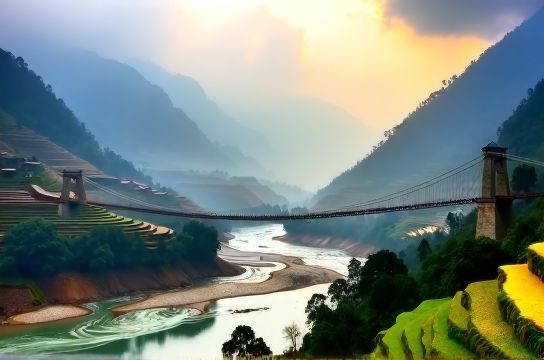
I’ve trekked through dozens of remote regions across Southwest China, but Nujiang (also known as the Salween River) stands out for its raw beauty and authenticity. Unlike the polished tourist trails of Lijiang or Shangri-La, here you’ll encounter Lisu, Nu, and Derung ethnic communities living much as they have for centuries. No overpriced souvenir shops—just real life in one of Earth’s last wild places.
Let’s break down why this journey is worth every muddy step, with key travel insights backed by local data and firsthand experience.
Why Nujiang Valley? The Numbers Speak
The valley stretches over 600 kilometers, with peaks rising more than 5,000 meters above sea level. But what really makes it special is the biodiversity and cultural density packed into this narrow corridor.
| Metric | Nujiang Valley | Comparison: Tiger Leaping Gorge |
|---|---|---|
| Annual Tourist Visitors | ~80,000 | ~500,000 |
| Ethnic Minority Groups | 12+ | 2 |
| Average Elevation (m) | 1,800–3,000 | 1,600–2,500 |
| UNESCO Status | Part of Three Parallel Rivers World Heritage Site | No |
As you can see, Nujiang remains significantly less crowded while offering deeper cultural immersion. Plus, it’s part of the Three Parallel Rivers UNESCO site—one of the world’s most ecologically important zones, where the Nujiang, Lancang (Mekong), and Jinsha (Yangtze) rivers run parallel without converging.
Best Time to Visit & How to Get There
Season matters. Aim for late March to May or September to November. June through August brings heavy rains that can trigger landslides on the only road snaking alongside the river.
Getting there isn’t easy—but that’s the point. Most travelers fly into Kunming, then take a connecting flight or 12-hour bus ride to Gongshan or Fugong. Public transport exists but expect delays. For flexibility, rent a 4x4 with a local driver familiar with mountain roads.
Don’t Miss: Derung Face Tattoos & Suspension Bridges
In the northern reaches near Dulongjiang, you might still meet elderly Derung women with traditional facial tattoos—a vanishing cultural practice once symbolizing beauty and warding off slavery. While no longer practiced, it’s a powerful reminder of the region’s complex history.
And yes, you’ll cross swaying suspension bridges—some just steel cables and wooden slats. Not for the faint-hearted, but part of the adventure.
Final Thoughts
The Nujiang Valley isn’t about comfort. It’s about connection—to nature, to ancient cultures, and to a sense of discovery most ‘adventure’ destinations have lost. If you want untouched landscapes and real human stories, pack your bag, embrace the rough roads, and go.