
Humor as Coping Mechanism in Chinese Cyberspace
- Date:
- Views:336
- Source:The Silk Road Echo
In the fast-paced, often high-pressure environment of modern China, internet users have turned to humor as a clever and resilient way to cope with social stress, political sensitivity, and everyday frustrations. From meme culture to coded sarcasm, humor in Chinese cyberspace isn’t just about laughs—it’s survival.
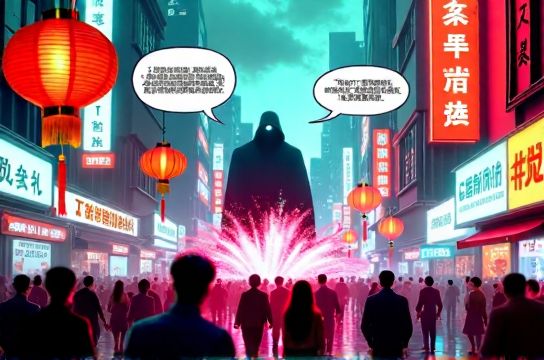
Living under strict online censorship doesn’t stop netizens from speaking up. Instead, they’ve mastered the art of indirect expression. Sarcasm, puns, and absurd memes allow people to comment on serious issues—like work-life imbalance or housing prices—without triggering content filters. This linguistic creativity has become a cultural phenomenon, especially among Gen Z and millennials.
Take the term “neijuan” (内卷), meaning 'involution'—a metaphor for relentless competition with no real progress. It started as an academic term but exploded online as a humorous yet biting critique of overwork culture. Similarly, “tang ping” (躺平), or 'lying flat,' reflects a passive resistance movement where young people opt out of societal pressures through irony-laced resignation.
Data shows just how widespread this trend is:
| Term | Baidu Index (Monthly Avg.) | Main User Group | Primary Platform |
|---|---|---|---|
| Neijuan (Involution) | 42,800 | Ages 18–30 | Weibo, Xiaohongshu |
| Tang Ping (Lying Flat) | 38,500 | Ages 20–35 | Douban, Bilibili |
| Emo | 29,100 | Ages 16–28 | Bilibili, QQ Zone |
These aren’t just passing trends—they reflect deep societal moods. Humor becomes a pressure valve. When direct protest isn’t an option, making a joke about 'working 996' (9 AM to 9 PM, 6 days a week) feels like rebellion.
Platforms like Bilibili and Weibo are hotbeds for this digital satire. Animated skits, voiceovers with exaggerated tones, and AI-generated parodies go viral daily. One popular meme reimagines ancient Chinese emperors dealing with modern office life—Caesar-style leaders drowning in KPIs. It’s funny, relatable, and subtly critical.
But there’s a fine line. Authorities occasionally crack down on 'excessive negativity,' so netizens adapt quickly—evolving their jokes, changing metaphors, staying one step ahead. This cat-and-mouse game only sharpens their wit.
In essence, humor in Chinese cyberspace is more than entertainment. It’s a form of emotional resilience, community bonding, and quiet dissent. As long as pressure exists, so will the punchlines.