
Short Form Video Addiction and Its Cultural Impact
- Date:
- Views:254
- Source:The Silk Road Echo
In the blink of an eye, short-form videos have taken over our screens, our time, and—let’s be honest—our brains. From TikTok dances to Instagram Reels and YouTube Shorts, these bite-sized clips are more than just entertainment; they’re reshaping how we think, connect, and consume culture. But what happens when scrolling becomes a compulsion? Let’s dive into the phenomenon of short-form video addiction and its deep cultural ripple effects.
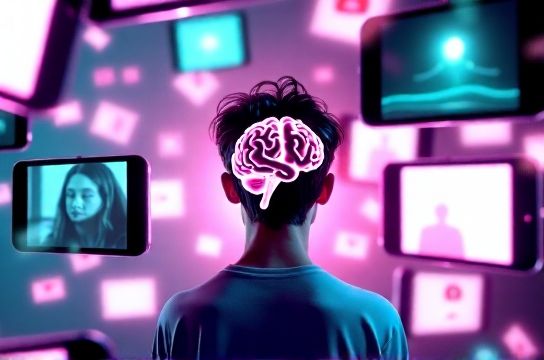
The Scroll Trap: Why We Can’t Look Away
Ever opened an app ‘for just a second’ and suddenly it’s 30 minutes later? You’re not alone. The average user spends 95 minutes per day on short-form video platforms. That’s over 10 hours a week—enough to binge an entire TV series!
Why is it so addictive? It’s science. Platforms use AI algorithms that learn your preferences in real-time, serving up dopamine-packed content tailored just for you. Each swipe delivers novelty, humor, or emotion—keeping your brain hungry for more.
Cultural Shifts in the Age of 60-Second Stories
These videos aren’t just viral—they’re culturally viral. A dance trend in Jakarta can explode in New York within 48 hours. Memes become movements. Hashtags spark global conversations. This instant cross-pollination is redefining pop culture.
But there’s a flip side: depth suffers. Attention spans have dropped from 12 seconds in 2000 to just 8 seconds today—shorter than a goldfish’s! Complex ideas get reduced to soundbites, and nuance gets lost in translation.
Data at a Glance: The Rise of Short-Form Video
Check out this snapshot of global engagement:
| Platform | Monthly Active Users (Billions) | Avg. Daily Usage (Minutes) | Primary Age Group |
|---|---|---|---|
| TikTok | 1.8 | 90 | 18–34 |
| Instagram Reels | 2.0 | 72 | 18–29 |
| YouTube Shorts | 2.5 | 60 | 18–44 |
As you can see, these platforms aren’t niche—they’re mainstream. And they’re winning the attention economy.
The Mental Cost of Endless Scrolling
While fun, constant consumption has consequences. Studies link heavy short-form video use to increased anxiety, poor sleep, and lower self-esteem—especially among teens. The endless comparison game fuels FOMO (fear of missing out) and digital fatigue.
Yet, it’s not all doom. Many creators use these platforms for education, activism, and community building. Think #LearnOnTikTok or mental health advocates sharing coping strategies in 60 seconds.
So, What’s the Fix?
Awareness is step one. Set screen time limits. Curate your feed. Follow accounts that inspire, not drain. And yes—sometimes, just put the phone down.
Short-form video isn’t going anywhere. But by understanding its power—and its pitfalls—we can enjoy the culture it creates without becoming slaves to the scroll.