
Why 'Tang Ping' Went Global: The Philosophy Behind China’s Anti-Hustle Movement
- Date:
- Views:1175
- Source:The Silk Road Echo
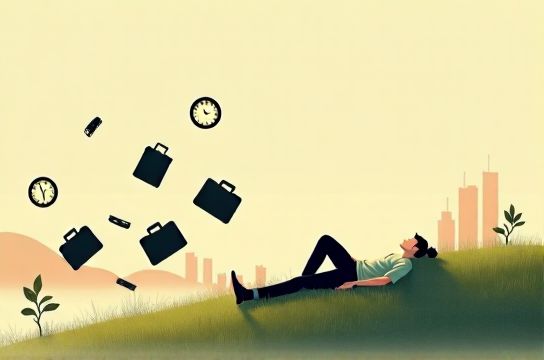
In recent years, the Chinese phrase tánpíng (躺平), literally meaning 'lying flat,' has surged from a niche internet meme to a global cultural phenomenon. More than just opting out of hustle culture, tang ping represents a quiet rebellion against relentless productivity, burnout, and societal pressure. But how did a simple act of reclining spark worldwide resonance? Let’s dive into the philosophy, data, and social shifts behind this anti-hustle movement.
The Rise of Tang Ping: From Protest to Lifestyle
Originating around 2021, tang ping emerged as a response to China’s intense work culture—996 schedules (9 am to 9 pm, 6 days a week), sky-high housing costs, and diminishing social mobility. Young professionals began rejecting the 'work hard, get ahead' narrative, choosing minimalism and mental peace over corporate ladders.
This wasn’t laziness—it was liberation. As one netizen put it: 'I’m not lazy; I’m strategically disengaging.'
Global Echoes: Why the World Relates
Tang ping didn’t stay in China. From Japan’s ikigai debates to South Korea’s 'escape the 880,000 won generation,' similar sentiments echo across Asia. In the West, movements like 'quiet quitting' and the Great Resignation mirror this pushback.
A 2023 Deloitte survey found that 60% of millennials and Gen Z feel burned out at work, with many reevaluating life goals. The appeal of tang ping? It offers dignity in doing less.
| Country | Movement | Key Trigger | Youth Support (%) |
|---|---|---|---|
| China | Tang Ping | 996 Work Culture | 68% |
| USA | Quiet Quitting | Work-Life Imbalance | 52% |
| South Korea | Escape the 880K Won | Low Wages, High Costs | 74% |
| Japan | Hikikomori Trends | Social Pressure | 45% |
The Philosophy: Minimalism Meets Resistance
Tang ping isn’t nihilism—it’s a recalibration. Influenced by Daoist ideals of wu wei (non-action) and modern minimalism, it champions contentment over consumption. Think Thoreau at Walden Pond, but with Wi-Fi and instant noodles.
Supporters aren’t dropping out completely—they’re downsizing expectations. One Beijing coder now works part-time, grows herbs on his balcony, and says, 'I earn less, but I own my time.'
Critics & Controversy
Not everyone’s cheering. Critics argue tang ping undermines economic growth and personal ambition. State media once labeled it 'a dangerous mindset.' Yet, its persistence suggests deeper systemic issues—not individual failure.
So, Is Tang Ping the Future?
Perhaps not as a mass lifestyle, but as a wake-up call? Absolutely. As automation reshapes work and climate anxiety looms, redefining success isn’t radical—it’s rational.
In a world obsessed with grinding, tang ping whispers: What if we stopped running? Maybe rest isn’t retreat. Maybe it’s revolution.