
The Influence of Tradition on Online Memes
- Date:
- Views:274
- Source:The Silk Road Echo
Let’s be real—meme culture feels like it was born yesterday. But dig a little deeper, and you’ll see that today’s viral jokes are actually built on centuries-old traditions. Yep, those silly cat pics and sarcastic reaction images? They’re more connected to ancient storytelling than you might think. As someone who’s been analyzing digital culture for over a decade, I’ve seen how tradition quietly shapes what blows up online.
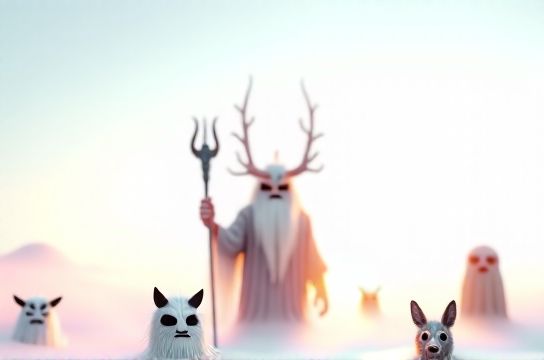
Think about it: every great meme follows a pattern—setup, punchline, repetition with variation. Sound familiar? That’s folklore 101. Long before Twitter, communities passed down jokes, proverbs, and legends using the same formula. Scholars like Henry Jenkins have shown how participatory culture has always thrived in shared spaces—just swap the village square for Reddit.
Take the classic ‘Distracted Boyfriend’ meme. It went viral in 2017, but its structure mirrors Aesop’s fables: a moral lesson wrapped in satire. The difference? Now we remix it in seconds. Platforms like Instagram and TikTok accelerate this process, turning cultural references into global inside jokes almost overnight.
Here’s a breakdown of how traditional storytelling elements live on in modern memes:
| Traditional Element | Modern Meme Equivalent | Example |
|---|---|---|
| Oral storytelling | Viral tweet threads | “This is fine” dog during crises |
| Moral parables | Satirical image macros | Distracted Boyfriend = temptation vs duty |
| Ritual repetition | Meme templates reused daily | “They don’t know” + unexpected twist |
| Community participation | User-generated remixes | TikTok duets mocking trends |
The numbers don’t lie. According to a 2023 Pew Research study, 74% of internet users aged 18–29 engage with memes weekly—and 61% say they use them to express cultural or political opinions. That’s not just humor; it’s digital folklore in action.
Even global events show this blend. During the pandemic, memes about isolation and baking bread echoed Depression-era stories of resilience—same struggle, new format. And let’s not forget religious iconography: saints becoming viral saint memes on Instagram, complete with witty captions. It’s reverence repackaged for the scroll-happy generation.
So next time you share a meme, remember—you’re not just laughing. You’re participating in one of humanity’s oldest traditions: making sense of life through shared stories. The medium changed, but the instinct didn’t.
Want to create memes that last? Study the past. The most enduring ones tap into universal truths—greed, love, fear—all dressed up in pixelated glory.