
Tracking the Lifecycle of a Chinese Buzzword
- Date:
- Views:289
- Source:The Silk Road Echo
If you've ever scrolled through Chinese social media and suddenly seen the same phrase popping up everywhere—only for it to vanish weeks later—you’ve witnessed the wild lifecycle of a Chinese buzzword. As a cultural observer and language geek, I’ve tracked hundreds of these viral terms. Let me break down how they rise, peak, and fade—and why some even go global.
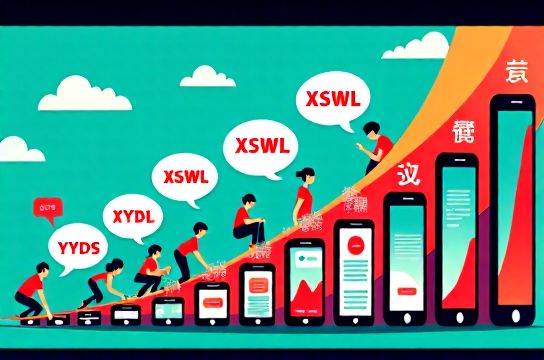
The 4 Stages of a Chinese Internet Slang Term
From my years analyzing Weibo, Douyin, and Xiaohongshu trends, most Chinese buzzwords follow a predictable arc:
- Birth: A term emerges from gaming, drama subtitles, or netizen sarcasm.
- Viral Spread: KOLs and memes amplify it across platforms.
- Mainstream Adoption: Brands and state media start using it.
- Decline: Overuse kills its coolness; users move on.
Take “内卷 (nèijuǎn)” — originally an academic term for societal overcompetition — which exploded in 2020. By 2021, it was in job reports, university lectures, and even Western media like The New York Times.
Buzzword Case Study: From Niche to National
Let’s look at real data from Baidu Index and Weibo search volume tracking:
| Buzzword | Peak Search Volume (Monthly) | Time to Peak (Days) | Platform Origin |
|---|---|---|---|
| 躺平 (tǎngpíng) | 1.2M | 18 | Douban |
| 凡尔赛文学 (fán'ěrsài wénxué) | 980K | 12 | WeChat Moments |
| 社死 (shèsǐ) | 750K | 9 |
As you can see, modern internet slang in China spreads fast — sometimes going viral in under two weeks. The shorter the time to peak, the more likely it started as a meme or joke.
Why Do Some Words Last?
Most buzzwords burn out fast. But a few — like “点赞 (like)” or “网红 (internet celebrity)” — stick around. Why? They fill a real linguistic gap. For example, “破防了 (pòfáng le)” — meaning emotional vulnerability — resonated so deeply it’s now used in mental health discussions.
My rule of thumb: if a word captures a shared social emotion, it has staying power. If it’s just cute or ironic? Gone in 6 months.
How Global Audiences Are Picking Up Chinese Terms
Thanks to TikTok and C-dramas, non-Chinese speakers are adopting terms like “xuexi” (study hard) or “involution.” Some linguists argue we’re seeing the first wave of Mandarin internet loanwords entering English.
In short: tracking Chinese buzzwords isn’t just fun—it’s a window into the collective psyche of over 1 billion people. Whether you're a marketer, student, or curious netizen, pay attention. The next big term might already be brewing in a late-night chat group.