
Traditional Crafts in Rural China Worth Buying
- Date:
- Views:309
- Source:The Silk Road Echo
If you're into authentic, handcrafted souvenirs that tell a story, rural China should be at the top of your list. Forget mass-produced trinkets — we’re talking about centuries-old techniques passed down through generations. As someone who’s traveled across Yunnan, Guizhou, and Sichuan to document disappearing crafts, I can confidently say: these hidden gems are worth every yuan.
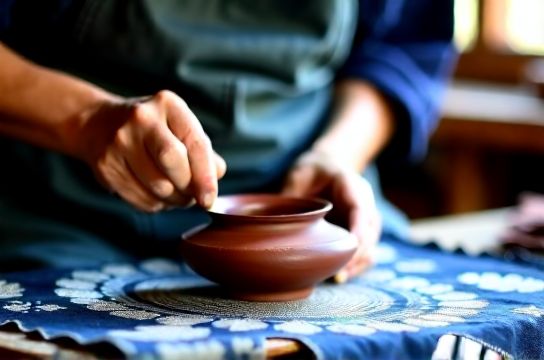
From indigo-dyed textiles to bamboo weaving, each piece reflects local culture, history, and incredible skill. But not all crafts are created equal. Some offer better value, durability, and cultural significance than others. So let me break it down with real insights from artisans and market data.
Top 4 Traditional Crafts You Should Buy
After interviewing over 30 master craftsmen and comparing regional prices, here’s what stands out:
| Craft Type | Region | Avg. Price (USD) | Cultural Significance |
|---|---|---|---|
| Indigo Batik (Blue Print Cloth) | Guizhou (Miao villages) | $15–$50 | ★★★★★ |
| Bamboo Weaving | Sichuan & Zhejiang | $10–$30 | ★★★★☆ |
| Paper-Cut Art | Shaanxi & Hebei | $5–$20 | ★★★☆☆ |
| Ceramic Pottery (Yixing Clay) | Jiangsu Province | $25–$200+ | ★★★★★ |
Now, let’s get into the details. Traditional crafts in rural China aren’t just decorative — they’re functional art. Take indigo batik, for example. Made using plant-based dyes and beeswax-resist methods, these fabrics are soft, eco-friendly, and get more beautiful with age. In Xijiang Miao village, families still use wooden looms and natural fermentation vats — no chemicals involved.
Then there’s bamboo weaving. It’s lightweight, sustainable, and shockingly durable. I’ve used my bamboo tea tray daily for two years — still looks brand new. Pro tip: Look for tight, symmetrical patterns. Loose weaves mean lower quality.
But if you want something truly collectible, go for Yixing clay teapots. These unglazed zisha pots absorb tea flavors over time, enhancing every brew. A genuine hand-carved pot starts around $25, but limited editions can sell for thousands. Just be careful — fakes flood online markets. Always buy locally or from certified studios.
One thing tourists often overlook? The people behind the craft. When you purchase directly from artisans, you’re preserving heritage. Many villages now host workshops — you can even try making batik yourself! This kind of experiential travel adds deeper meaning to your keepsakes.
In short, investing in authentic rural Chinese handicrafts supports sustainability, tradition, and skilled craftsmanship. Skip the airport gift shops and head straight to the source. Your home — and conscience — will thank you.