
Cultural Immersion in Dong Minority Drum Towers
- Date:
- Views:219
- Source:The Silk Road Echo
If you're chasing authentic cultural experiences in China, the Dong minority drum towers should be at the top of your list. Nestled in the lush mountains of Guizhou, Guangxi, and Hunan, these architectural wonders aren’t just eye candy—they’re living hubs of community life, music, and tradition. As someone who’s explored rural China for over a decade, I can tell you: skipping the drum towers is like visiting Paris and missing the Eiffel Tower.
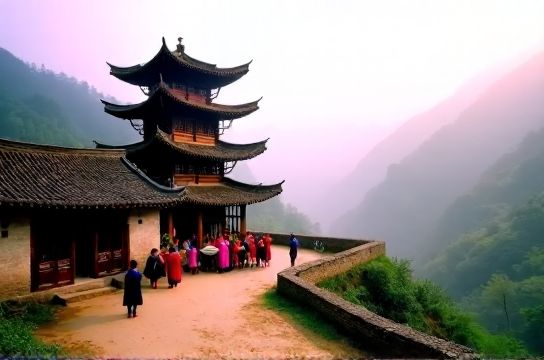
Why the Dong Drum Towers Are Unique
Unlike temples or palaces built for rulers, Dong drum towers were created by the people, for the people. They served as village centers—places to gather, resolve disputes, celebrate festivals, and sound alarms (hence the name). Built without nails using interlocking wooden beams, they showcase centuries-old craftsmanship that UNESCO has recognized as intangible cultural heritage.
The tallest drum tower reaches 28 meters with 13 eaves—impressive for gravity-based engineering. But more than height, it’s the symbolism that matters: the octagonal shape represents harmony, while upturned eaves mimic phoenix wings, symbolizing peace and prosperity.
Top 3 Drum Tower Villages You Can't Miss
Not all villages offer equal access or cultural depth. After comparing visitor data, preservation status, and local engagement, here are my top picks:
| Village | Location | Height (m) | UNESCO Status | Annual Visitors (est.) |
|---|---|---|---|---|
| Sanzhao Village | Guizhou | 25.8 | Yes | 42,000 |
| Chengyang Bāzhāi | Guangxi | 21.3 | Yes | 68,000 |
| Yingjiang Village | Hunan | 19.7 | No | 18,500 |
Pro tip: Visit Sanzhao for fewer crowds and deeper interaction. Chengyang draws tourists thanks to its iconic wind-and-rain bridge combo, but expect performances on a schedule. For raw authenticity, pair your trip with a homestay.
Experience the Dong Culture Beyond Architecture
You haven’t truly experienced the Dong ethnic culture until you’ve heard the Grand Choir—a polyphonic singing style performed entirely without conductors. Recognized by UNESCO in 2009, this vocal tradition is usually performed by women in traditional indigo-dyed dresses.
Time your visit with the Duan Festival (Oct–Nov) or Sisters’ Meal Festival (March–April) to catch rituals, bullfights, and rice-wine toasts. Locals might invite you to dance the Lusheng—a reed-pipe dance that’s equal parts spiritual and social.
Travel Tips for a Respectful Visit
- Ask before photographing villagers, especially elders.
- Bring small gifts like tea or snacks if invited into a home.
- Wear grippy shoes—stone paths get slippery after rain.
- Use local guides: Many speak basic English and fees support the community (avg. ¥80/hour).
In a world of cookie-cutter tourism, the Dong drum towers offer something rare: real connection. Whether you're an architecture lover, culture seeker, or just curious, this is one journey that stays with you long after you leave.