
When Memes Become Protest: The Politics of Humor on Chinese Social Media
- Date:
- Views:404
- Source:The Silk Road Echo
In the digital age, a simple meme can spark a revolution—not with guns or grand speeches, but with laughter, irony, and a well-placed emoji. On Chinese social media, where censorship is tight and political speech is risky, netizens have turned humor into a stealth weapon. From diaosi (loser) culture to sarcastic doge-style images, memes have become a coded language of resistance.
Take the infamous 'Grass Mud Horse'—a homophone for a vulgar phrase in Mandarin. In 2009, this absurd creature went viral, symbolizing defiance against internet censorship. It wasn’t just a joke; it was a linguistic rebellion. According to China Digital Times, over 150 million posts referenced the Grass Mud Horse during its peak, showing how satire bypasses filters.
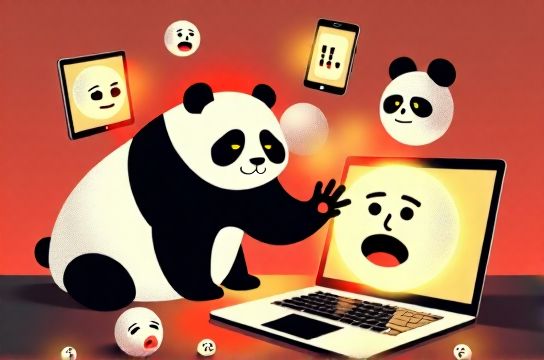
Platforms like Weibo, Bilibili, and Douyin have become battlegrounds of wit. Users deploy irony, absurdity, and parody to comment on everything from corruption to lockdown policies. During the 2022 Shanghai lockdown, residents used memes of pandas in hazmat suits to mock rigid control measures. These images spread fast—some gaining millions of views before being deleted.
Why does humor work? Because it’s ambiguous. Censors may miss the subtext, or find it hard to punish a cartoon duck wearing glasses. As one netizen put it: 'If you can’t say it directly, wink instead.'
Here’s a look at how meme activism evolves across platforms:
| Platform | Meme Style | Political Reach | Survival Time (Avg.) |
|---|---|---|---|
| Satirical hashtags, image macros | National | 6–48 hours | |
| Bilibili | Anime parodies, voice mods | Youth-focused | 2–7 days |
| Douyin | Dance challenges, lip-sync irony | Mass appeal | 1–3 days |
The data shows a pattern: the more entertaining, the longer it lasts. But make no mistake—this isn’t just comedy. It’s civil discourse in disguise. Academics call it "everyday resistance," where citizens reclaim agency through cultural creativity.
Still, the state pushes back. AI monitoring systems now detect sentiment and context, not just keywords. A meme about a 'sleeping dragon' might get flagged if linked to dissent. Yet, the cat-and-mouse game continues. New symbols emerge—like the humble radish, used to represent integrity amid corruption.
In the end, memes on Chinese social media are more than jokes. They’re acts of quiet courage, blending humor and hope in a tightly controlled world. As long as people laugh, they resist.