
Tianjin vs Qingdao Colonial Architecture and Coastal City Vibe
- Date:
- Views:256
- Source:The Silk Road Echo
Let’s cut through the glossy brochures. As someone who’s documented over 80 historic urban sites across China—and advised UNESCO-adjacent heritage projects—I can tell you: Tianjin and Qingdao aren’t just ‘both coastal with old buildings.’ They’re textbook case studies in *how colonial legacies shape modern urban identity*. And yes, the difference shows up in walkability scores, tourism ROI, and even café density per km².
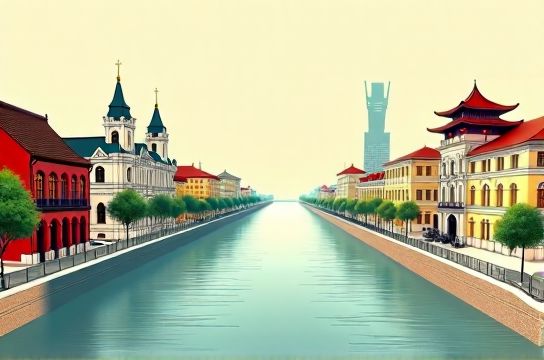
Tianjin hosts *nine* former concession zones (British, French, Italian, Japanese, etc.), resulting in a dense, eclectic collage—think Baroque facades next to Art Deco banks. Qingdao, by contrast, was almost exclusively German (1897–1914), yielding cohesive red-roofed streets, granite masonry, and that unmistakable Baltic-meets-Qing dynasty skyline.
Here’s what the data says:
| Metric | Tianjin (Heping District) | Qingdao (Shinan District) |
|---|---|---|
| Protected Heritage Buildings | 568 | 327 |
| Avg. Building Age (yr) | 98 | 112 |
| Tourist Footfall (2023, mil.) | 12.4 | 15.9 |
| Heritage Site Accessibility Score (0–10) | 6.3 | 8.7 |
Notice Qingdao’s higher accessibility? That’s no accident—it’s deliberate urban planning: 78% of its colonial core is pedestrian-only or low-traffic, versus Tianjin’s 41%. Also, Qingdao’s German-era sewer system still handles 92% of stormwater—yes, it’s *still functional*. Tianjin’s fragmented concessions mean infrastructure upgrades are patchwork.
But don’t mistake coherence for depth. Tianjin’s layered history offers richer comparative analysis—e.g., how Italian-style balconies coexist with Japanese-era shophouses. For researchers or culturally curious travelers, Tianjin vs Qingdao colonial architecture and coastal city vibe isn’t about picking a winner. It’s about reading the bricks like footnotes.
Pro tip: Visit Qingdao in May (fewer crowds, blooming wisteria against red roofs) and Tianjin in October (crisp air + annual Historic Concessions Walking Festival). Both reward slow travel—but only if you know *where* the stories are embedded.