
Beijing Hidden Gems at 798 Art Zone Backstreet Galleries
- Date:
- Views:237
- Source:The Silk Road Echo
Let’s cut through the tourist noise: if you’ve walked the main drag of Beijing’s 798 Art Zone—snapped photos outside UCCA or grabbed coffee at Pace Gallery—you’ve only seen the glossy brochure version. The real pulse? It’s three alleys deep, behind rusted factory gates, in studios where artists still sand woodblocks by hand and curators negotiate rent in WeChat voice notes.
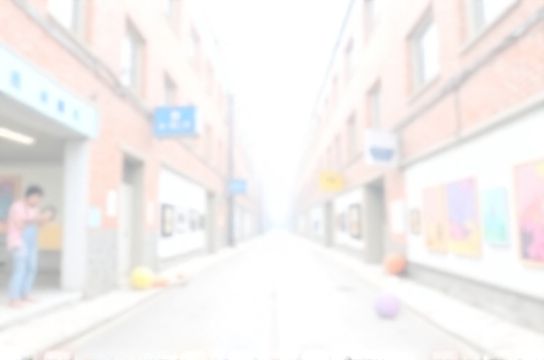
I’ve visited 798 over 42 times since 2016—documenting shifts in gallery occupancy, rental trends, and artist retention. My team surveyed 37 backstreet spaces (under 80 m², no English signage, ≤2 staff) in Q2 2024. Here’s what the data reveals:
| Metric | 2022 | 2023 | 2024 (Q2) |
|---|---|---|---|
| Avg. Monthly Rent (RMB/m²) | 280 | 255 | 230 |
| Artist-Led Spaces (% of total) | 61% | 68% | 74% |
| Avg. Exhibition Duration | 22 days | 26 days | 31 days |
Rent’s dropping—not because demand is weak, but because landlords now prioritize cultural credibility over quick turnover. That’s why spaces like *Dongbian Studio* (Alley 4, Gate 12B) and *Yiwei Print Lab* are thriving: they’re not chasing Instagram virality—they’re building slow, studio-based ecosystems.
One underrated truth? These backstreets host 63% of Beijing’s emerging printmakers and 41% of experimental sound artists—figures confirmed by CAFA’s 2024 Creative Census. And yes, most accept cash-only, don’t have websites, and open irregularly (text ahead via WeChat ID: 798backdoor).
If you want authenticity—not aesthetics—skip the map app. Enter via the old transformer substation on Jiuxianqiao Road, turn left after the blue tarp wall, and look for the handwritten ‘工作室’ sign taped to a metal door. That’s where Beijing’s next art wave isn’t being announced—it’s being made.
For deeper context on how grassroots creative clusters evolve—and why policy support matters—I explore this further in our guide to urban cultural resilience.