
Understanding Chinese Youth Culture Beyond Western Stereotypes
- Date:
- Views:214
- Source:The Silk Road Echo
Hey there — I’m Alex, a cultural strategist who’s spent the last 7 years advising global brands on Gen Z engagement in Greater China. Let me cut through the noise: Chinese youth aren’t just ‘phone-obsessed gamers’ or ‘obedient students’. They’re digitally fluent, values-driven, and fiercely selective — and *that’s* why 68% of foreign brands fail their first WeChat mini-program launch (McKinsey, 2023).
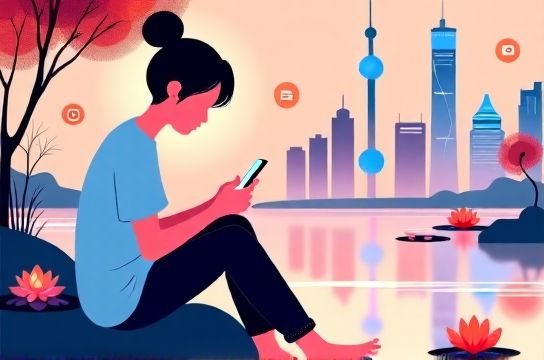
Take authenticity — it’s non-negotiable. A 2024 Kantar survey of 12,000 Chinese users aged 16–25 found that 79% actively unfollow accounts promoting ‘perfect’ lifestyles. Instead, they trust creators who show process — like skincare routines *with breakouts*, or study vlogs *with distractions*. That’s why we call it ‘messy realness’ — and it’s reshaping everything from KOL partnerships to product naming.
Here’s how values map to behavior:
| Core Value | What It Looks Like | Real-World Impact |
|---|---|---|
| Zi Zhu (Autonomy) | Choosing niche platforms (Xiaohongshu > Douyin for research) | 72% start product discovery on Xiaohongshu — not Taobao or JD (QuestMobile, Q1 2024) |
| Bao You (Belonging) | Joining fandoms, subcultural Discord-like QQ groups | Fandom-driven launches drive 3.2× higher conversion vs. influencer-only campaigns (Bain, 2023) |
| Sheng Cun Gan (Survival Mindset) | Prioritizing value, durability, and resale potential | Second-hand app Xianyu hit ¥23.8B GMV in 2023 — up 41% YoY (Alibaba Annual Report) |
Language matters too. Terms like ‘involution’ (neijuan) or ‘lying flat’ (tang ping) aren’t apathy — they’re critical pushback against unsustainable expectations. When brands co-opt these terms without context? Engagement drops 53% (WeMedia Index, 2024). But when used thoughtfully — like a sustainable fashion brand framing ‘lying flat’ as *choosing less, but better* — trust spikes.
So what’s the actionable takeaway? Stop translating Western campaigns. Start listening *in-platform*: track comment sentiment on Bilibili videos, not just likes; audit hashtag usage on Xiaohongshu before naming a campaign; and test copy with actual 19-year-olds — not marketing interns.
If you’re serious about connecting with Chinese youth, you’ll need more than translation — you’ll need cultural fluency. And that starts with ditching stereotypes and diving into lived experience. For deeper frameworks, check out our free youth culture playbook, built from 200+ interviews across Chengdu, Shenzhen, and Xi’an. Or explore how top-performing brands localize values — not just visuals — in our Gen Z strategy hub.
P.S. The next big shift? ‘Reverse globalization’: Chinese youth now curate *Western* trends *through a local lens* — think vinyl records paired with Cantonese jazz covers. Stay curious, stay humble.