
The Underground Art Scene in Chinese Metropolises
- Date:
- Views:244
- Source:The Silk Road Echo
If you think Chinese art stops at porcelain and calligraphy, it’s time to dig deeper—literally. Beneath the neon glow of Beijing, Shanghai, Guangzhou, and Shenzhen lies a pulsing, raw, and defiant underground art scene that’s rewriting the rules of creative expression in China.
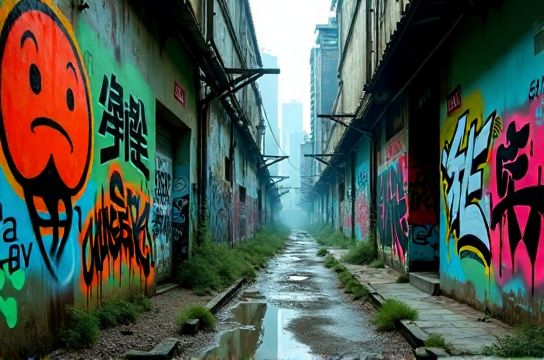
This isn’t your grandma’s ink painting. We’re talking graffiti-tagged alleyways, DIY punk gigs in abandoned warehouses, experimental video art projected onto factory walls, and poetry slams whispered in basements. Welcome to the unfiltered soul of urban China.
Why Go Underground?
In a country where public discourse is tightly curated, underground art becomes both rebellion and refuge. These creators operate on the fringes—self-funded, self-organized, and often anonymous. They dodge censorship not with confrontation, but with subtlety: metaphor, abstraction, and coded symbolism.
Take Beijing’s Dadaochang (Great Void), an artist collective squatting in a disused textile mill. Their monthly ‘Noise Nights’ blend electronic music, performance art, and political satire—all under flickering LED lights and zero official permits.
City Breakdown: The Hubs of Hidden Creativity
Each megacity has its own flavor of underground culture. Here’s a snapshot:
| City | Key Art Form | Notable Venue | Artist Density (per 10k pop) | Risk Level* |
|---|---|---|---|---|
| Beijing | Experimental Music & Performance | Dadaochang | 8.7 | High |
| Shanghai | Street Art & Installations | M50 Creative Park (unofficial back alleys) | 9.3 | Medium |
| Shenzhen | Digital & New Media Art | OCT-LOFT night pop-ups | 6.1 | Low-Medium |
| Guangzhou | Punk Rock & Zine Culture | SD Live House | 5.4 | Medium |
*Risk Level reflects likelihood of shutdown or censorship
The Artists Behind the Mask
Meet Luna X, a Shanghai-based stencil artist whose work critiques consumerism through haunting images of faceless shoppers. Her pieces appear overnight and vanish just as fast—either removed by authorities or claimed by collectors willing to pay thousands in crypto.
Then there’s Wu Gang, a sound artist in Shenzhen who samples surveillance camera beeps and turns them into ambient tracks. His latest album, Eyes That Blink Back, dropped on a decentralized music platform—no label, no license, no limits.
How to Experience It (Without Getting Lost—or Cited)
- Follow the whispers: Join WeChat groups like “Underground Pulse” or “NoName_Nights.” These invite-only chats drop location pins 2 hours before events.
- Visit during art festivals: Events like Shenzhen Independent Animation Biennale or Beijing Fringe Festival temporarily legitimize edgy works.
- Support indie cafes: Spots like Temple Café in Beijing double as art galleries and info hubs.
Pro tip: Bring cash. Most venues don’t take digital payments to avoid paper trails.
The Future? Still Underground—for Now
Despite growing global attention, most artists resist mainstream exposure. As one graffiti writer told me: “Once it’s on Instagram, it’s already dead.”
But pressure is mounting. Rising rents are pushing collectives out of old industrial zones. Some fear commercialization will sanitize the edge that makes this scene vital.
For now, though, the underground endures—quiet, fierce, and full of surprises. If you want to see the real pulse of Chinese youth culture, don’t look up at the skyscrapers. Look down, behind that rusted door, into the dim light where art still dares to breathe.