
Online Streaming Stars and New Fame Culture China
- Date:
- Views:259
- Source:The Silk Road Echo
In today’s digital era, online streaming stars are redefining fame in China — fast, flashy, and fiercely competitive. No longer do aspiring celebrities need film studios or record labels; all they need is a smartphone and charisma. This new fame culture, powered by platforms like Douyin, Kuaishou, and Bilibili, has birthed a generation of internet influencers who command millions of followers and earn fortunes overnight.
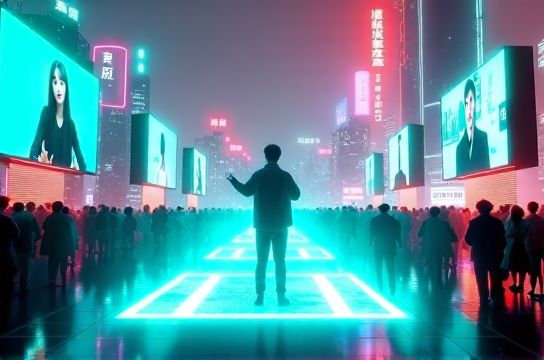
The Rise of the Streaming Superstars
China's live-streaming economy surpassed ¥1.5 trillion ($210 billion) in 2023, according to iiMedia Research. Over 600 million users regularly watch live streams, making it the world’s largest market. Top streamers like Li Jiaqi, the 'Lipstick King,' sold over $480 million worth of products in a single 2022 event. This isn’t just entertainment — it’s e-commerce on steroids.
How Ordinary People Become Digital Royalty
Becoming a streaming star doesn’t require talent in the traditional sense. Authenticity, consistency, and audience engagement matter more. Many start by sharing daily life, gaming, singing, or even eating (yes, mukbang is big in China too). The key? Building a loyal fanbase that feels connected.
| Platform | Monthly Active Users (2023) | Top Content Type | Average Watch Time per Day |
|---|---|---|---|
| Douyin (TikTok China) | 780 million | Short videos & live shopping | 110 minutes |
| Kuaishou | 650 million | Live streaming & rural content | 99 minutes |
| Bilibili | 315 million | ACG & educational content | 88 minutes |
The Dark Side of Digital Fame
But it’s not all glitz and glamour. The pressure to perform 24/7 leads to burnout. Many streamers face mental health challenges, cyberbullying, and contract disputes with agencies. Some have collapsed on air from exhaustion. And while a few hit it big, over 90% of streamers earn below average wages, surviving on tips and sponsorships that barely cover costs.
Cultural Shift: From Celebrities to 'Real People'
What makes this phenomenon uniquely Chinese? Unlike Western celebrity culture rooted in exclusivity, Chinese netizens favor 'down-to-earth' influencers. A farmer livestreaming harvests can go viral. A factory worker singing at night becomes a sensation. This democratization of fame reflects a cultural craving for authenticity in an increasingly artificial world.
The Future of Fame in China
With AI avatars entering the space and virtual idols gaining fans, the line between real and digital is blurring. Yet human connection remains king. As long as people crave relatability, real voices — even imperfect ones — will thrive.
So whether you're watching a street vendor sell spicy noodles or a gamer racking up kills, remember: in China’s new fame culture, anyone with a dream and a phone might just become the next superstar.