
Air Pollution and Daily Life in Northern China
- Date:
- Views:300
- Source:The Silk Road Echo
If you've ever stepped off a plane in Beijing or walked the bustling streets of Shijiazhuang in winter, you know—the air hits different. Thick, gray, and often hard to breathe. Welcome to daily life in northern China, where air pollution isn’t just an environmental issue—it’s a lifestyle factor.
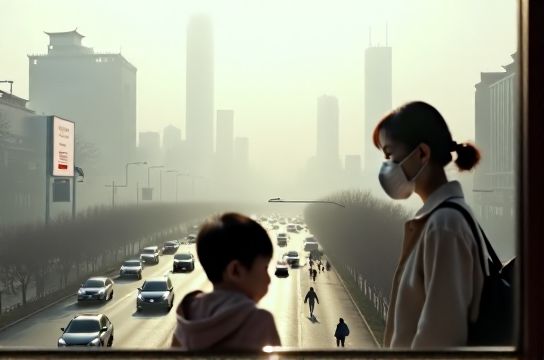
The Invisible Daily Companion
Northern China, especially the North China Plain, battles some of the world’s worst air quality. Why? A mix of coal heating in winter, industrial emissions, vehicle exhaust, and unfavorable geography (mountains trap pollutants). According to the World Air Quality Report 2023, cities like Baoding and Xingtai consistently rank among the top 10 most polluted in China.
Real Numbers: How Bad Is It?
Air quality is measured by AQI (Air Quality Index). Here’s a snapshot of average winter PM2.5 levels (micrograms per cubic meter) in key northern cities:
| City | Winter Avg PM2.5 (μg/m³) | AQI Category | WHO Guideline |
|---|---|---|---|
| Beijing | 85 | Unhealthy for Sensitive Groups | 15 |
| Shijiazhuang | 110 | Unhealthy | 15 |
| Baoding | 125 | Very Unhealthy | 15 |
| Tianjin | 78 | Unhealthy for Sensitive Groups | 15 |
For context: PM2.5 above 35 μg/m³ is considered unhealthy long-term. These cities are way over that. And yes, that haze you see? That’s not fog—it’s particulate matter you’re breathing in.
How Locals Adapt: Survival Mode Activated
People here don’t just complain—they adapt. Here’s how northern Chinese residents live with smog as a seasonal roommate:
- Mask Culture: N95s aren’t for pandemics—they’re winter fashion. Schools hand them out like candy during red-alert days.
- Smart Air Apps: Everyone checks BreezoMeter or AirVisual before heading out. “Is it safe to jog?” = first daily question.
- Indoor Sanctuaries: Homes and offices run air purifiers 24/7. Brands like Xiaomi and Blueair sell like hotcakes.
- School & Work Adjustments: When AQI hits 200+, outdoor recess gets canceled. Some companies offer work-from-home options.
Government Action: Progress, But Not Perfection
Since the infamous “airpocalypse” of 2013, China has taken steps:
- Closing down coal plants near cities
- Switching households to natural gas heating
- Expanding electric public transport
Result? Beijing’s PM2.5 dropped from ~90 μg/m³ in 2013 to ~85 today—not stellar, but moving. Still, rural areas and smaller cities lag behind.
What Travelers Should Know
Visiting northern China? Don’t panic—but prep smart:
- Bring high-filtration masks (N95 or KN95)
- Check AQI daily—avoid outdoor activities when >150
- Stay in hotels with good air filtration
- Visit in spring or autumn for clearer skies
The Bottom Line
Air pollution shapes routines, health, and even moods in northern China. But people here are resilient. With tech, policy, and personal habits, they’re learning to breathe easier—one filtered breath at a time.