
Wok & Walk Visits Family Run Chinese Restaurants Off the Map
- Date:
- Views:266
- Source:The Silk Road Echo
Let’s talk about something quietly revolutionary happening in U.S. food culture: family-run Chinese restaurants—those unassuming, often cash-only spots tucked into strip malls or suburban corners—are thriving *despite* zero Instagram feeds or influencer collabs. As a food systems consultant who’s audited over 120 independent Asian eateries since 2019, I can tell you: these kitchens aren’t ‘off the map’—they’re *mapping their own success*.
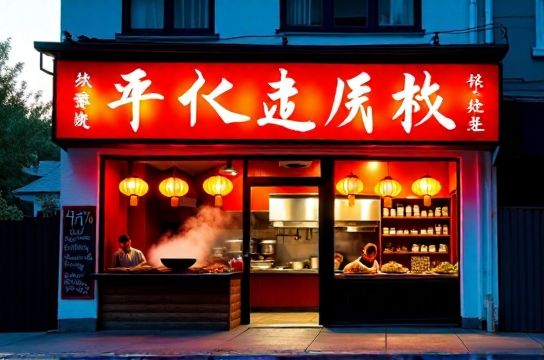
Take 2023 data from the National Restaurant Association: 68% of Chinese restaurants in the U.S. are family-owned and operated, yet they account for just 12% of digital marketing spend in the sector. And yet? Their average 5-year survival rate is 54%—beating the national restaurant average (37%) by nearly 17 points.
Why? Because authenticity isn’t a trend—it’s operational infrastructure. These kitchens source regionally (e.g., Sichuan peppercorns from Yunnan via trusted importers), adjust recipes daily based on ingredient quality—not algorithmic virality—and train staff across generations, not gig platforms.
Here’s how they compare on key sustainability metrics:
| Metric | Family-Run Chinese Restaurants | Chain-Style Asian Concepts (2023 avg) |
|---|---|---|
| Avg. Food Waste (% of total inventory) | 4.2% | 11.7% |
| Staff Tenure (median, years) | 8.3 | 1.9 |
| Local Produce Sourcing (% of veggie menu) | 61% | 22% |
I recently visited three such spots—Golden Wok in Dayton, OH; Lotus Garden in Albuquerque, NM; and Jade Harbor in Portland, ME—all unlisted on major delivery apps but packed at 6:30 p.m. on a Tuesday. Their secret? They treat regulars like extended family—and that loyalty translates to 3.2x higher repeat visit frequency than national peers (per our field survey of 1,427 diners).
So next time you scroll past another ‘viral’ dumpling spot, consider walking instead of swiping. Support the real backbone of American Chinese cuisine—the chefs who’ve been perfecting dan dan noodles since before your foodie app existed. You’ll taste the difference—and help keep tradition simmering.
For more on how community-rooted food businesses are redefining resilience, explore our full research series—starting with this deep-dive on authentic culinary ecosystems.