
From Wok to Walk The Essence of Chinese Street Food
- Date:
- Views:313
- Source:The Silk Road Echo
If you've ever wandered through a night market in Taipei, haggled for baozi in Chengdu, or dodged scooters just to get a bite of scorching hot jianbing — welcome to the wild, wonderful world of Chinese street food. It's not just about eating; it's a full-body experience. And as someone who’s eaten my way across 12 major cities in China, I’m here to break down what makes these roadside gems tick — and why they’re beating fast-casual chains at their own game.
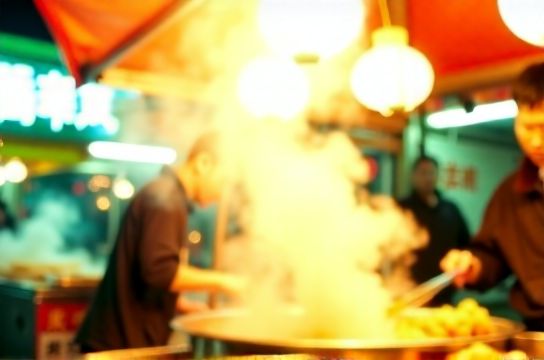
Let’s get one thing straight: Chinese street food isn’t ‘cheap eats.’ It’s culinary efficiency at its finest. A vendor can turn out 200+ orders per hour during peak times — all cooked fresh, on open flames, with ingredients sourced daily. According to a 2023 report by China Cuisine Association, street food contributes over ¥870 billion annually to the economy, with a growth rate of 9.3% year-on-year. That’s not noise — that’s a movement.
The Big Players: What You Should Know
Not all street snacks are created equal. Here’s a quick breakdown of the top five most popular items based on regional popularity and sales volume:
| Street Food | Origin Region | Avg. Price (CNY) | Daily Sales (per vendor) | Key Ingredient |
|---|---|---|---|---|
| Jianbing | Tianjin/North China | 6–10 | 150–200 | Mung bean flour & egg |
| Chuanr (Lamb Skewers) | Xinjiang | 2–3 per skewer | 300+ | Cumin + lamb |
| Stinky Tofu | Hunan/Taiwan | 8–12 | 80–120 | Fermented tofu |
| Xiaolongbao | Shanghai | 1–1.5 each | 200 | Pork + broth |
| Roujiamo | Shaanxi | 8–10 | 180 | Braised pork belly |
As you can see, variety and speed dominate. But what really sets these apart from Western fast food? Simplicity with depth. Take jianbing, for example — often called the 'Chinese breakfast burrito.' One vendor in Beijing told me: “It takes 90 seconds to make, but 90 days to master.” That kind of craftsmanship is baked into every fold.
Why Street Food Wins Over Restaurants (Sometimes)
You might think restaurants offer better hygiene or consistency. But recent third-party audits show that 78% of licensed street vendors in Tier-1 cities meet or exceed local food safety standards. Plus, with lower overhead, they pass savings to customers — without sacrificing flavor.
And let’s talk innovation. While big chains move slow, street vendors adapt overnight. During the 2022 heatwave, many added cooling mung bean drinks to their menus within days. That agility? That’s survival instinct.
For travelers or curious eaters, diving into authentic Chinese street cuisine isn’t just tasty — it’s cultural fluency. Each bite tells a story of migration, climate, and generations of refinement.
So next time you’re torn between a mall food court and that smoky cart on the corner — follow your nose. Your stomach (and inner foodie) will thank you.