
China Bus Routes for Smart Urban Travel
- Date:
- Views:243
- Source:The Silk Road Echo
If you're navigating China's bustling cities, you've probably realized one thing: the subway is crowded, taxis are pricey, and walking everywhere? Not happening. So what’s the smart move? Mastering China bus routes like a local. As someone who’s spent years hopping between Beijing, Shanghai, and Chengdu—not as a tourist, but as an urban mobility analyst—I’ve cracked the code on how to use public buses efficiently, affordably, and even comfortably.
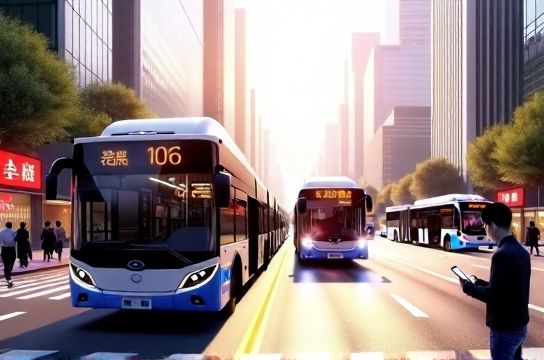
Let’s get real: buses in China aren’t the slow, unreliable rides many assume. In fact, according to the Ministry of Transport, over 65% of urban commuters in Tier-1 cities rely on buses daily. That’s more than subways in places like Guangzhou and Hangzhou. Why? Because with real-time tracking apps like Baidu Maps and AutoNavi, bus travel has gone high-tech.
Why Buses Beat Subways (Sometimes)
Subways are fast, sure—but they don’t go everywhere. Buses cover over 3x more route kilometers in most Chinese cities. Need to reach a suburban tech park or a residential neighborhood? Chances are, only a bus gets you there door-to-door.
Here’s a quick comparison:
| Metric | Bus Network | Subway Network |
|---|---|---|
| Avg. Fare (CNY) | 2–3 | 4–8 |
| Coverage (km²) | ~1,800 | ~600 |
| Frequency (Peak) | Every 5–8 min | Every 3–6 min |
| Real-Time Tracking | 95% of routes | 100% |
As you can see, while subways win on speed and frequency, buses dominate in affordability and coverage. And with free Wi-Fi now available on 70% of city buses (per 2023 municipal reports), you can stay connected while you ride.
Pro Tips for Using China Bus Routes Like a Pro
- Use the Right App: Ditch Google Maps—use Baidu Maps or AutoNavi. They show live bus locations, arrival times, and even crowding levels.
- Pay Smart: Scan QR codes with Alipay’s “Transport Code” feature. No cash, no fumbling. Over 90% of buses accept mobile payments now.
- Avoid Rush Hour: 7:30–9:00 AM and 5:30–7:00 PM are brutal. If you must ride, opt for express bus lines—they skip minor stops.
- Look for BRTs: Cities like Kunming and Xi’an have Bus Rapid Transit systems. These run on dedicated lanes, making them nearly as fast as subways.
One underrated gem? The China bus routes that connect high-speed rail stations to downtown areas. For example, Fuzhou South Railway Station links directly to the city center via Bus K1—no taxi needed.
The Bottom Line
You don’t need to choose between convenience and cost. With better data, smarter tools, and wider coverage, buses are the hidden backbone of urban travel in China. Whether you're a digital nomad, business traveler, or local resident, learning to ride the bus network gives you freedom most tourists never discover.
So next time you’re planning a city move, skip the app surge pricing. Check the bus schedule instead. You might just arrive faster—and save ¥20 while you’re at it.