
Discover Ancient Routes on the Silk Road China
- Date:
- Views:398
- Source:The Silk Road Echo
If you're dreaming of stepping into history, there's no better way than exploring the Silk Road in China. This legendary network of trade routes connected East and West for over 1,500 years — and today, it’s a goldmine for cultural travelers, history buffs, and adventure seekers.
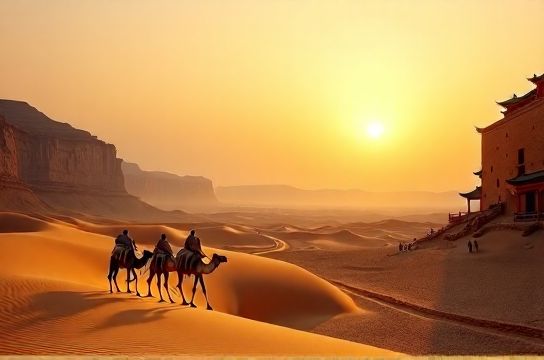
I’ve walked stretches of this ancient path from Xi’an to Kashgar, talked to local historians, and compared tour options so you don’t have to. Whether you’re chasing UNESCO sites or authentic Uyghur food, here’s your no-fluff guide to making the most of your journey.
Why the Silk Road Still Matters Today
The Silk Road wasn’t just about silk (surprise!). It was the world’s first global highway — spreading ideas, religions, technologies, and yes, even diseases. In China alone, it spans over 4,000 km and includes 7 UNESCO World Heritage Sites.
Recent data shows that Silk Road tourism has grown by 12% annually since 2021, with most visitors coming from Europe and North America. Why? Because nowhere else offers such a rich blend of desert fortresses, Buddhist cave art, and multicultural cities — all in one trip.
Top Cities & What to See
Here’s a quick breakdown of the key stops along the Chinese Silk Road:
| City | Key Attraction | UNESCO Site? | Best Time to Visit |
|---|---|---|---|
| Xi’an | Terracotta Army | No | March–May |
| Dunhuang | Mo gao Caves | Yes | April–October |
| Jiayuguan | Jiayu Pass Fortress | Yes | May–September |
| Turpan | Ancient City of Jiaohe | Yes | April–June |
| Kashgar | Karakul Market | No | May–October |
Pro tip: Dunhuang’s Mo gao Caves require timed entry tickets booked 30 days in advance. I missed my first chance because I waited too long — don’t make my mistake!
How to Travel the Route Like a Pro
You’ve got three main options:
- Guided Tour – Best for first-timers. Reputable companies like China Cultural Exchange offer English-speaking guides and seamless logistics. Average cost: $1,800+ for 10 days.
- Independent Travel – Trains and domestic flights connect all major cities. More flexible, but requires Mandarin skills or translation apps.
- Adventure Tour – Think camel treks across the Taklamakan Desert. Only for experienced travelers — extreme heat and remote terrain are real risks.
Whichever route you pick, always pack sunscreen, a hat, and respect for local customs — especially in Xinjiang, where Uyghur culture is deeply rooted.
Final thought: If you want to truly understand the legacy of the Silk Road China built, go beyond the postcard spots. Chat with a carpet seller in Kashgar, sip sweet Turpan grape tea, and imagine the merchants who once risked everything to cross these lands. That’s where the real magic lies.