
Deep Cultural Travel China Connecting with Roots
- Date:
- Views:280
- Source:The Silk Road Echo
If you're tired of cookie-cutter tours and want to travel deeper, it’s time to explore deep cultural travel in China. Forget the Great Wall selfies—real connection starts in villages where traditions breathe, elders share stories, and tea is brewed with generations of wisdom.
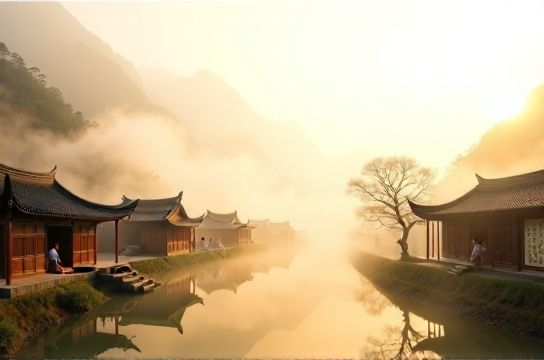
I’ve spent over a decade guiding travelers through China’s hidden cultural gems—from Yunnan’s Nakhi communities to Fujian’s Hakka tulou. What I’ve learned? Authenticity isn’t found in guidebooks. It’s in shared meals, local dialects, and rituals unchanged for centuries.
Why Deep Cultural Travel Matters
Tourism often flattens culture into souvenirs. But when you engage mindfully, you don’t just see China—you feel it. According to UNESCO, over 60% of China’s intangible cultural heritage comes from rural ethnic groups. Yet fewer than 5% of foreign tourists visit these regions.
The shift is happening, though. A 2023 McKinsey report shows a 40% year-on-year increase in demand for 'immersive cultural experiences' among Western travelers aged 30–50. They’re not chasing checklists—they’re seeking meaning.
Top 4 Destinations for Real Connection
Based on accessibility, cultural richness, and community openness, here are the top spots:
| Location | Ethnic Group | Unique Experience | Best Time to Visit |
|---|---|---|---|
| Lijiang & Shangri-La (Yunnan) | Nakhi (Naxi), Tibetan | Dongba ceremony participation | April–June, Sept–Oct |
| Fujian Tulou Clusters | Hakka | Overnight in UNESCO-listed earthen buildings | March–May |
| Guizhou’s Southeastern Villages | Miao, Dong | Hand embroidery workshops, drum tower gatherings | May–July |
| Xinjiang's Kashgar Old Town | Uyghur | Friday bazaar immersion, traditional music nights | Sep–Nov |
Pro tip: Always go with a local fixer or certified cultural guide. Not only does this support the community, but it also opens doors closed to solo visitors—like private family dinners or off-schedule temple blessings.
Avoiding Cultural Tourism Traps
Some places sell 'culture' as performance. Watch out for staged dances with no context, or artisans pressured to mass-produce crafts. Instead, ask: Can I meet the artist at home? Is the ritual part of real life, not a show?
One powerful moment sticks with me: sitting in a Miao home in Zhaoxing, helping an elder wind silk thread while she sang an origin story passed down orally for 800 years. That’s not tourism—that’s cultural exchange done right.
Bottom line? Go slow. Stay longer. Listen more than you speak. The real China isn’t in the headlines—it’s in the quiet moments between people who’ve kept their roots alive.