
Join Colorful Traditional Festivals China in Full Swing
- Date:
- Views:446
- Source:The Silk Road Echo
If you're planning a trip to China, skip the crowded malls and overpriced theme parks—go straight to the heart of Chinese culture: its traditional festivals. As someone who's been exploring and blogging about Asian cultural experiences for over a decade, I’ve seen how these vibrant celebrations offer way more than just photo ops. They’re living, breathing expressions of history, family, and regional pride.
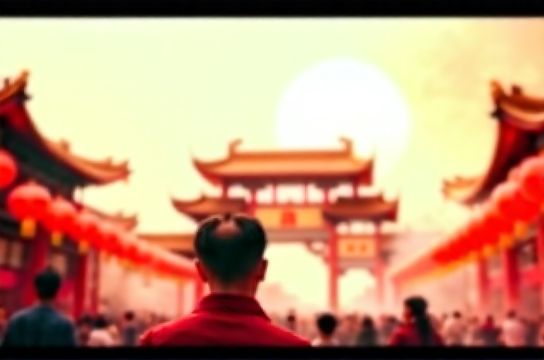
From dragon dances that shake the streets to mooncakes under autumn skies, traditional festivals in China are deeply rooted in lunar cycles, ancient myths, and agricultural rhythms. But here’s the real tea: not all festivals are created equal when it comes to visitor experience. Some are low-key local affairs; others are full-blown national spectacles. Let me break down the top four you absolutely shouldn’t miss—and why timing is everything.
Lunar New Year – The Granddaddy of Them All
Kicking off the lunar calendar, this 15-day festival (usually late January to mid-February) is China’s biggest event. Think Super Bowl, Thanksgiving, and New Year’s Eve rolled into one—but with red envelopes and firecrackers.
Data doesn’t lie: in 2023, over 3 billion trips were made during the Spring Festival travel rush (Chunyun). Major cities like Beijing and Shanghai see populations drop as people return home—then explode again with festivities.
Mid-Autumn Festival – Mooncakes & Family Reunions
Held on the 15th day of the 8th lunar month (usually September), this cozy celebration centers around harvest moons and family bonding. It’s less chaotic than Lunar New Year but rich in symbolism.
Tips: Head to Hangzhou or Suzhou for lakeside lanterns on West Lake. Avoid generic mooncakes from hotels—try street vendors for lotus seed paste with salted egg yolk (the real deal).
Dragon Boat Festival – Speed, Spice & History
June’s Dragon Boat Festival honors poet Qu Yuan with high-energy races and sticky rice dumplings (zongzi). In cities like Hong Kong and Guangzhou, teams train year-round for this.
But here’s what most guides won’t tell you: smaller towns like Cangxi in Sichuan offer more authentic experiences—with zero crowds and locals who actually explain the rituals.
Double Seventh Festival – China’s Romantic Side
Often dubbed “Chinese Valentine’s Day,” this August event stems from the myth of Zhinü and Niulang, star-crossed lovers reunited once a year. While commercialized in cities, rural areas still perform silk-thread weaving rituals and stargazing parties.
| Festival | Month (Lunar) | Best For | Visitor Rating (1-5) |
|---|---|---|---|
| Lunar New Year | 1st | Culture & Energy | 5.0 |
| Dragon Boat Festival | 5th | Action & Food | 4.3 |
| Mid-Autumn Festival | 8th | Family & Scenery | 4.6 |
| Double Seventh | 7th | Romance & Myth | 3.9 |
Bottom line? If you want authenticity, avoid over-touristed spots. And remember: dates change yearly based on the lunar calendar. Pro tip—bookmark a festival date calculator before booking flights.
Whether you're chasing adrenaline or meaning, China’s traditional festivals deliver—no filter needed.